 TH
TH  EN
EN  VI
VI 



TechSource & Ascendas Events
เรียนรู้แนวทางการใช้งาน MATLAB เเละ Simulink ที่มีประสิทธิภาพ รับคำแนะนำจากผู้เชี่ยวชาญ และสร้าง
เครือข่ายกับเพื่อนร่วมวิชาชีพผ่านกิจกรรมของเรา
Filter by Applications
-
Select Applications
- Embedded Systems
- Control Systems
- Data Analytics
- Deep Learning
- การคำนวณทางวิศวกรรมและวิทยาศาสตร์ (Technical Computing)
- Robotics & Autonomous Systems
- Image Processing
- Wireless Communications
- Power Electronics
- Power Systems & Electrification
- FPGA, ASIC and SOC
- Finance
- Mechatronic Systems
- Space Systems
- Medical Devices
- Automated Driving Systems
- Virtual Vehicle
- Mixed Signal System
- Artificial Intelligence
- Predictive Maintenance
Filter by Country
Past

Testing and verification of algorithms for medical devices and digital health applications
Join us for an in-depth webinar on using MATLAB for the development of next-generation medical devices and digital health applications
อ่านเพิ่มเติม
Low Code Data Analysis with MATLAB
Learn how you can analyze and model data using interactive tools in MATLAB. Through live demonstrations and examples, you will see how you can solve many steps in a data analysis workflow without writing...
อ่านเพิ่มเติม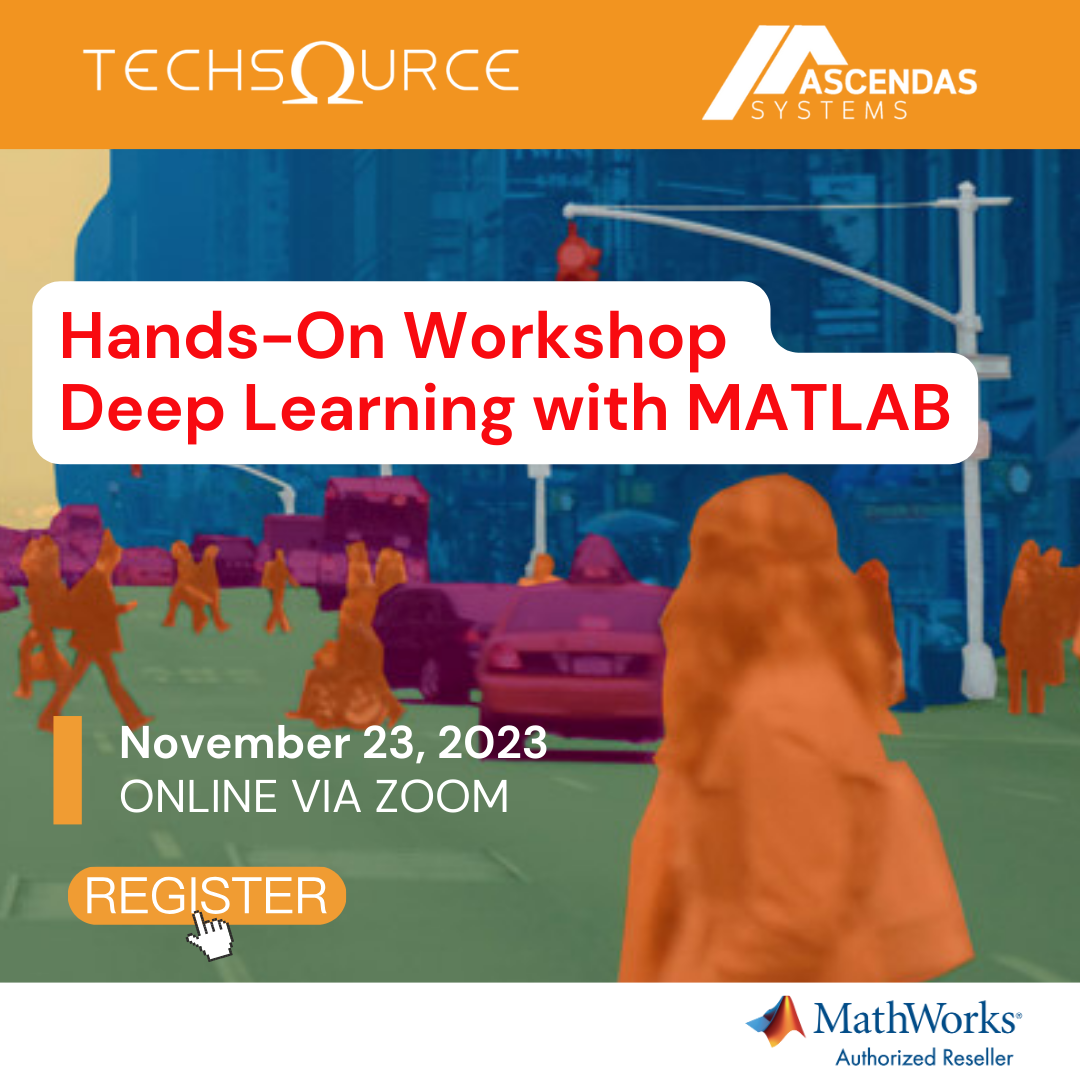
Hands-On Workshop: Deep Learning with MATLAB
Artificial Intelligence, particularly deep learning, is revolutionizing automation and business processes. It excels in solving intricate challenges related to images, signals, text, and controls, delivering human-like accuracy in tasks such as object recognition and path optimization. However, it involves assembling vast datasets, building neural networks, training and evaluating models, often requiring specialized hardware and complex theoretical understanding.
อ่านเพิ่มเติม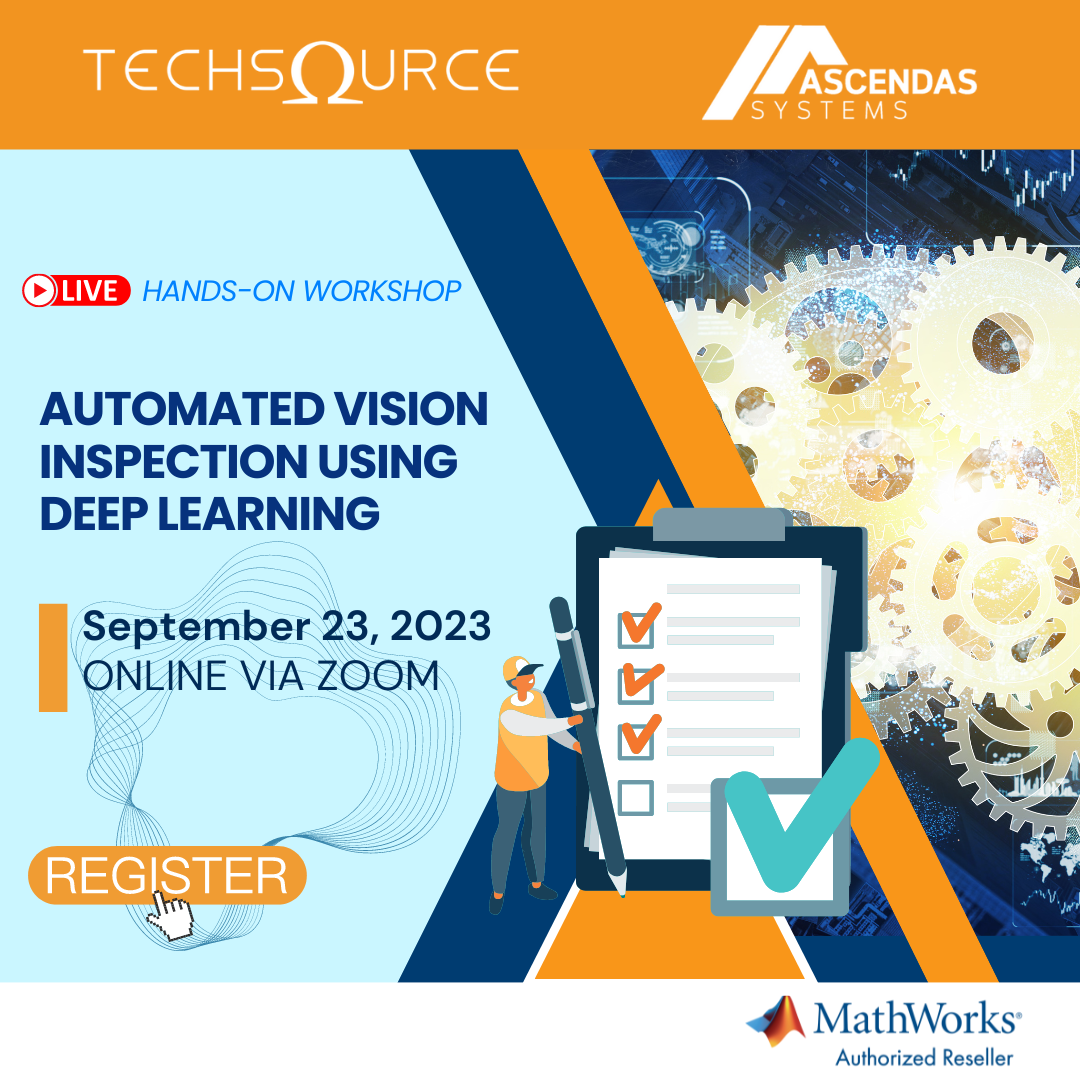
Workshop: Automated Vision Inspection Using Deep Learning
In this hands-on workshop, participants will learn how to apply principles of AI (machine learning, deep learning, domain-specific preprocessing) to visual inspection workflows.
อ่านเพิ่มเติม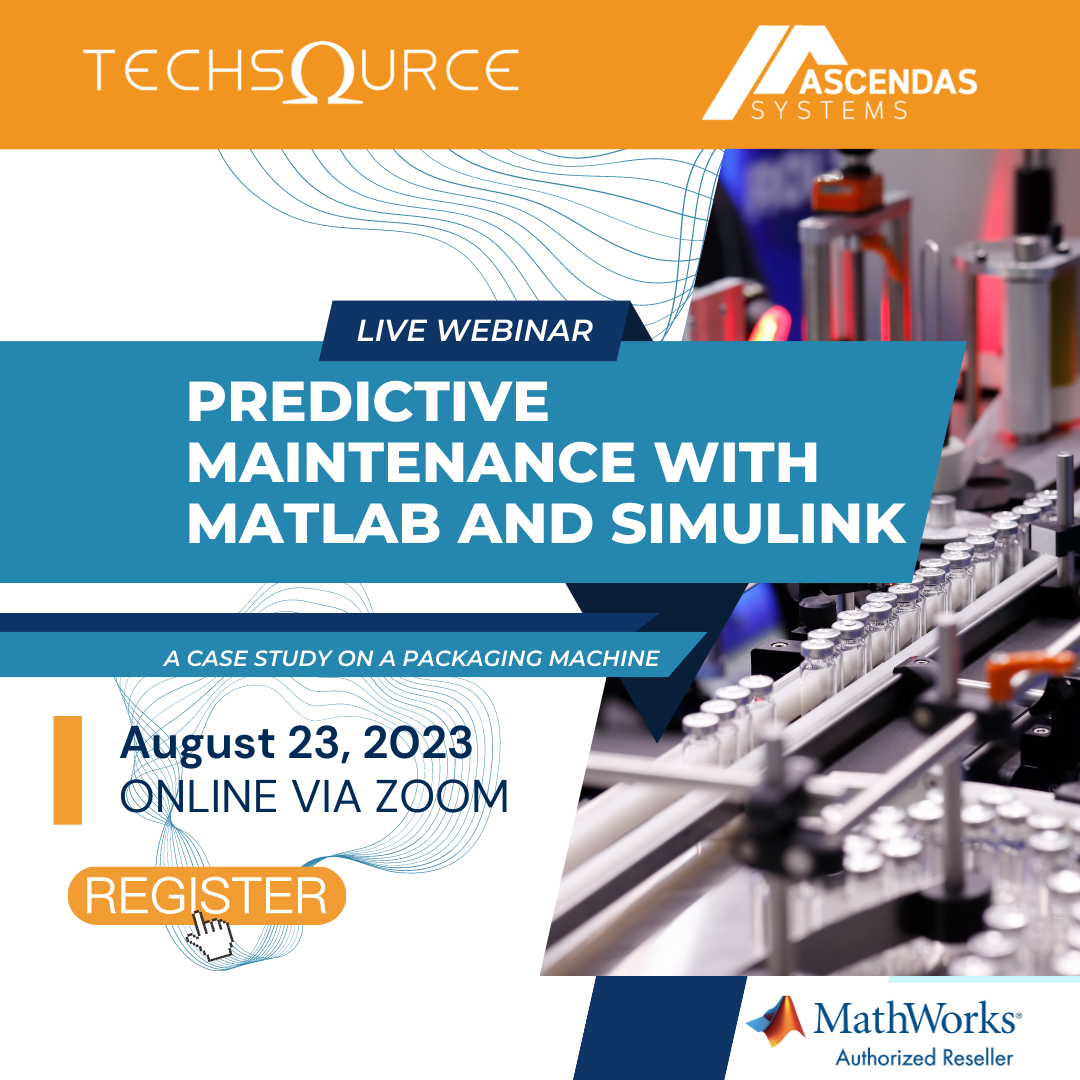
Predictive Maintenance with MATLAB and Simulink – A Case Study on Packaging Machine
Join us for a transformative webinar on Predictive Maintenance with MATLAB and Simulink, exploring a captivating case study of a packaging machine. Discover how this innovative approach revolutionizes maintenance strategies, enhances efficiency, and leads to substantial cost savings
อ่านเพิ่มเติม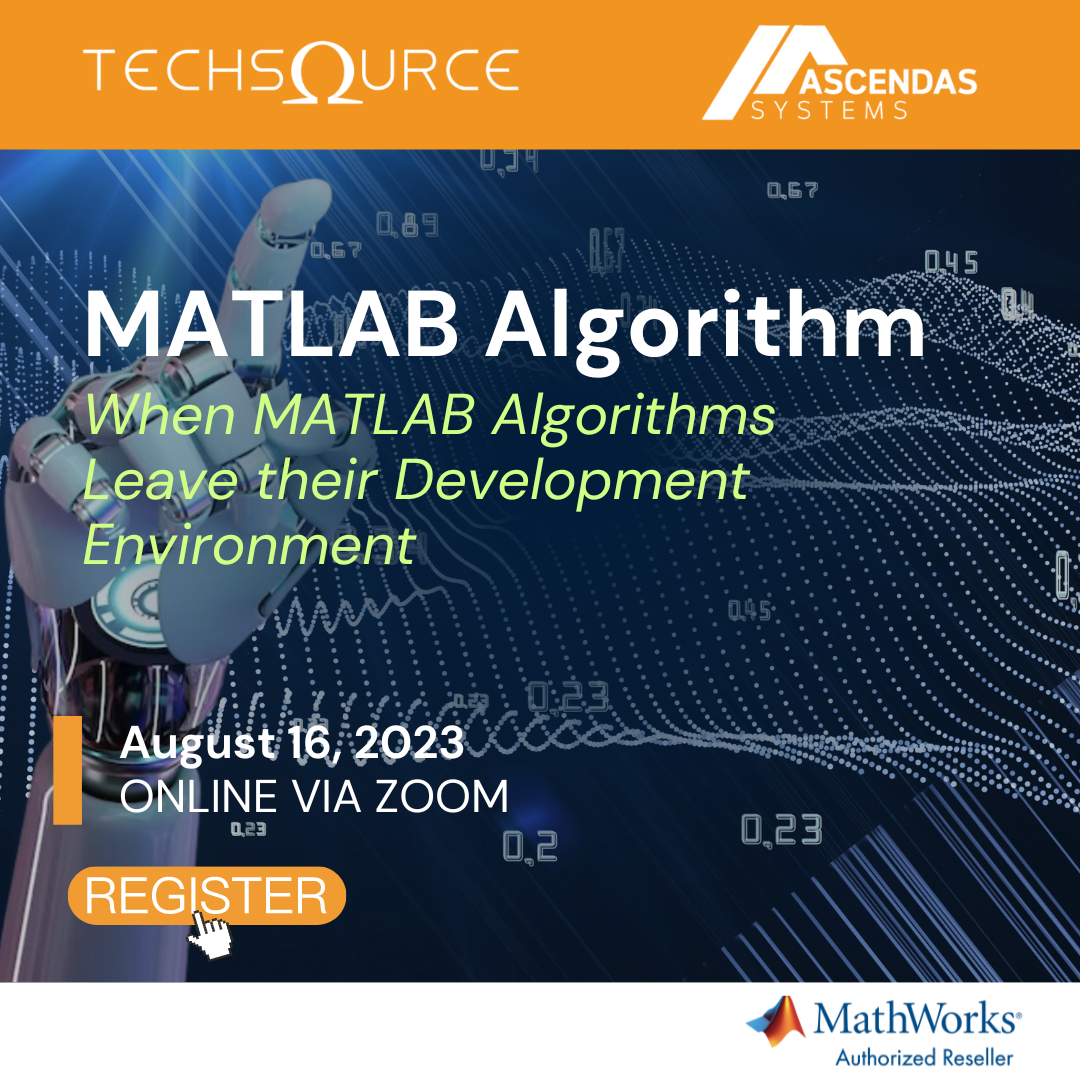
MATLAB Algorithms: When MATLAB Algorithms Leave Their Development Environment
In this webinar, we learn of the application deployment tools and workflows that MATLAB users can employ to place their applications in the hands of their users. See how MATLAB Compiler tools allow you to create executables, host web apps and package your data in production servers.
อ่านเพิ่มเติม
Aerospace & Defence Forum part 1: Modelling & Simulation, AI and Cloud
The need for advanced civil and defense systems has been brought into sharp focus. In civil, the drive for zero climate impact is driving development of advanced propulsion, autonomous systems, and urban...
อ่านเพิ่มเติม
Batch Process Optimization with MATLAB
This presentation considers the alternative construction of the design space based on experiment data and a grey-box model of the reactions. The models are subsequently used to optimize the production process by changing the process variables. In addition, the effect of uncertainty and variability of the parameters on the process performance is also examined with a Monte-Carlo simulation.
อ่านเพิ่มเติม