 TH
TH  EN
EN  VI
VI 



TechSource & Ascendas Events
เรียนรู้แนวทางการใช้งาน MATLAB เเละ Simulink ที่มีประสิทธิภาพ รับคำแนะนำจากผู้เชี่ยวชาญ และสร้าง
เครือข่ายกับเพื่อนร่วมวิชาชีพผ่านกิจกรรมของเรา
Filter by Applications
-
Select Applications
- Embedded Systems
- Control Systems
- Data Analytics
- Deep Learning
- การคำนวณทางวิศวกรรมและวิทยาศาสตร์ (Technical Computing)
- Robotics & Autonomous Systems
- Image Processing
- Wireless Communications
- Power Electronics
- Power Systems & Electrification
- FPGA, ASIC and SOC
- Finance
- Mechatronic Systems
- Space Systems
- Medical Devices
- Automated Driving Systems
- Virtual Vehicle
- Mixed Signal System
- Artificial Intelligence
- Predictive Maintenance
Filter by Country
Past
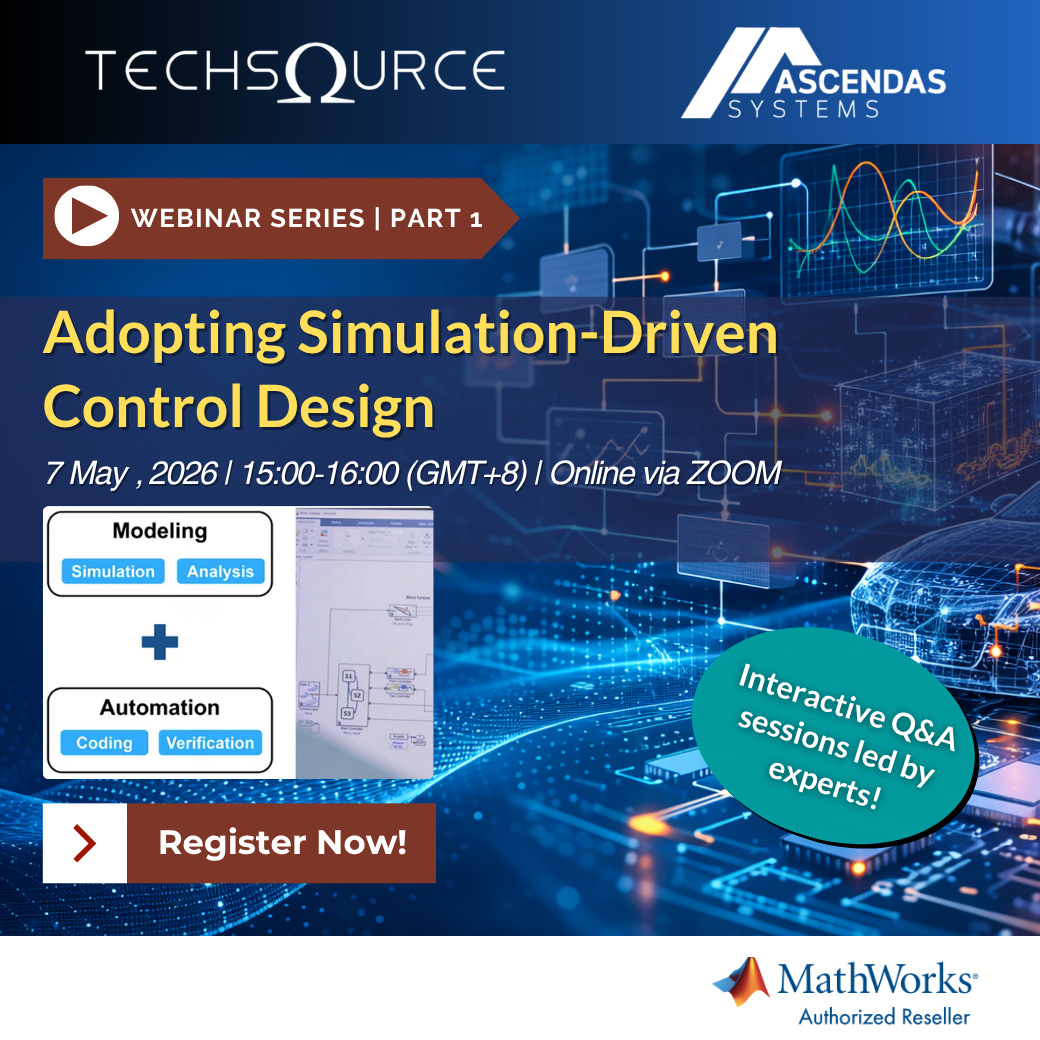
Adopting Simulation – Driven Control Design-Part 1
Part 1 Series: Explore how simulation-driven workflows with Model-Based Design help engineers simplify complexity, validate control logic early, and build robust systems faster
อ่านเพิ่มเติม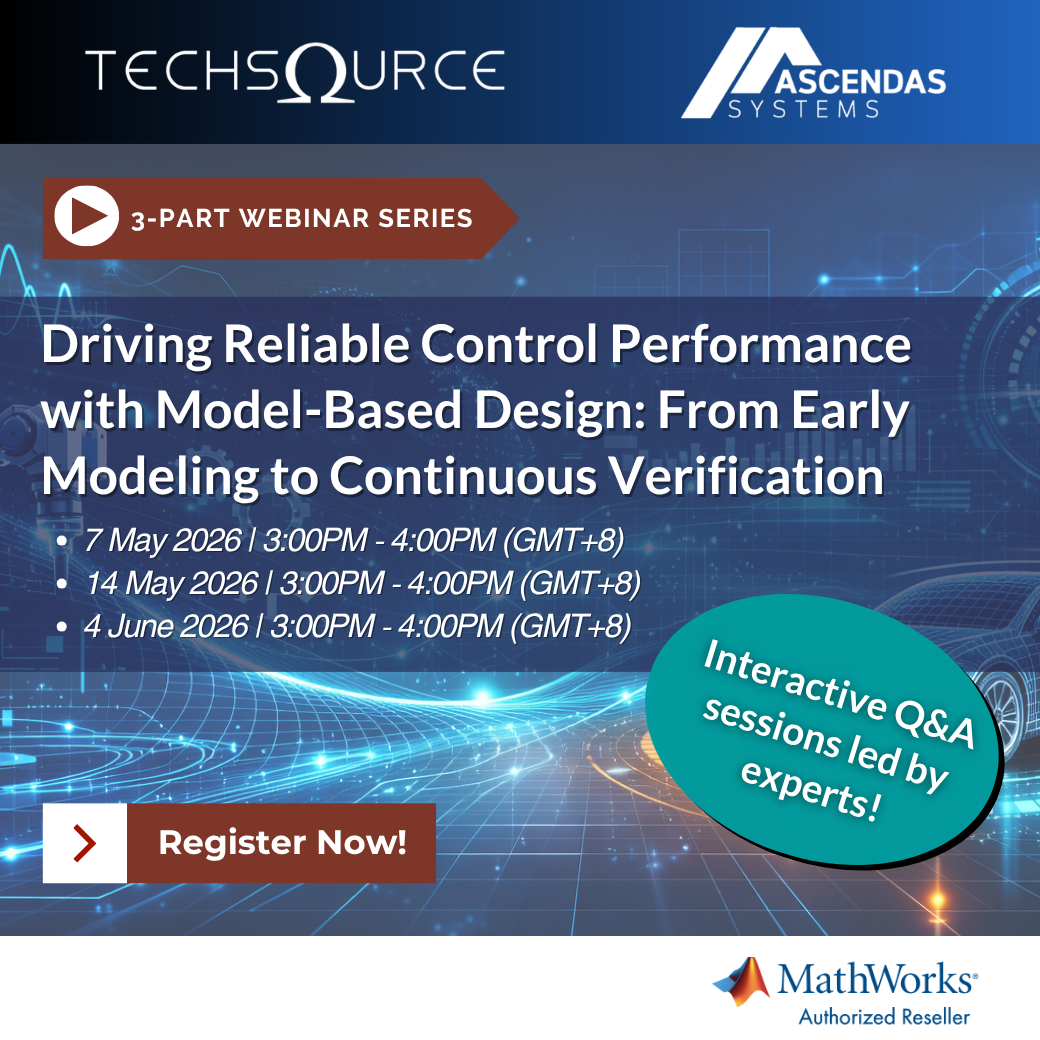
Driving Reliable Control Performance with Model-Based Design: From Early Modeling to Continuous Verification
Three-part webinar series on simulation-driven control design. Learn to model, test, and verify control algorithms early to reduce risk, improve quality, and accelerate system development.
อ่านเพิ่มเติม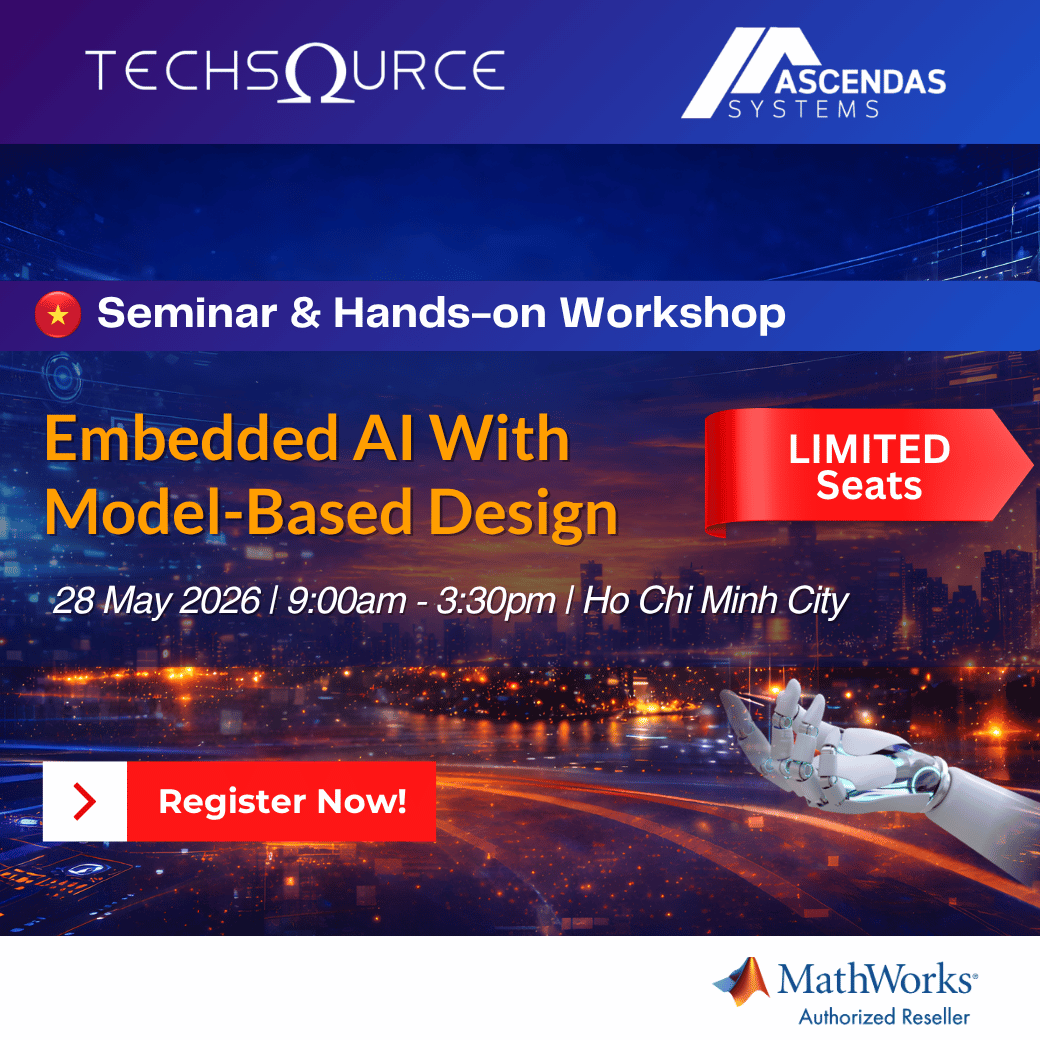
Seminar & Hands-on Workshop in Ho Chi Minh City: Embedded AI With Model-Based Design
Discover how engineers design, verify, and deploy efficient embedded AI on resource-constrained microcontrollers using the Model-Based Design approach.
อ่านเพิ่มเติม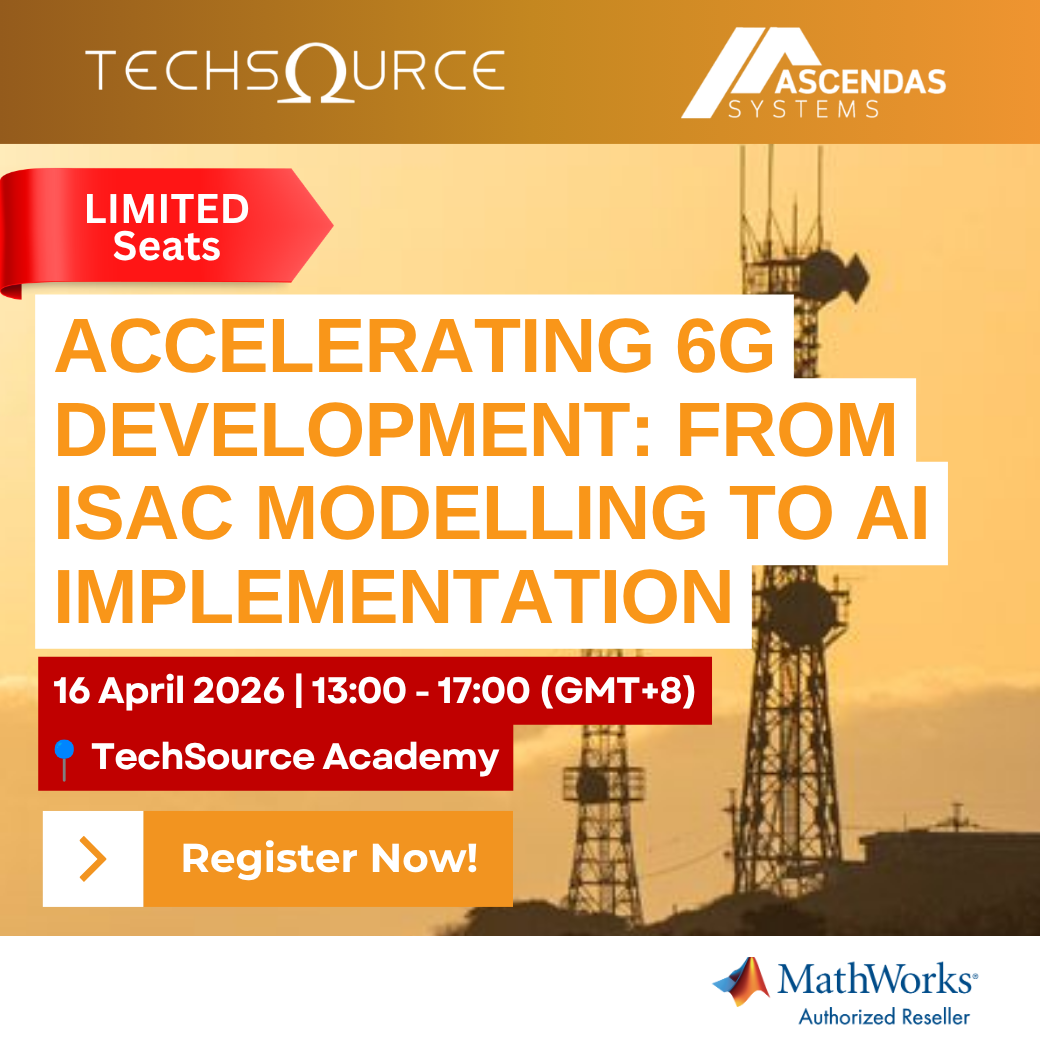
Accelerating 6G Development: From ISAC Modelling to AI Implementation – Seminar and Workshop
Explore systems-engineering methodologies for 6G complexity. This half-day seminar covers sub-THz RF, AI-native air interfaces, ISAC, and 6G system-level simulation in MATLAB.
อ่านเพิ่มเติม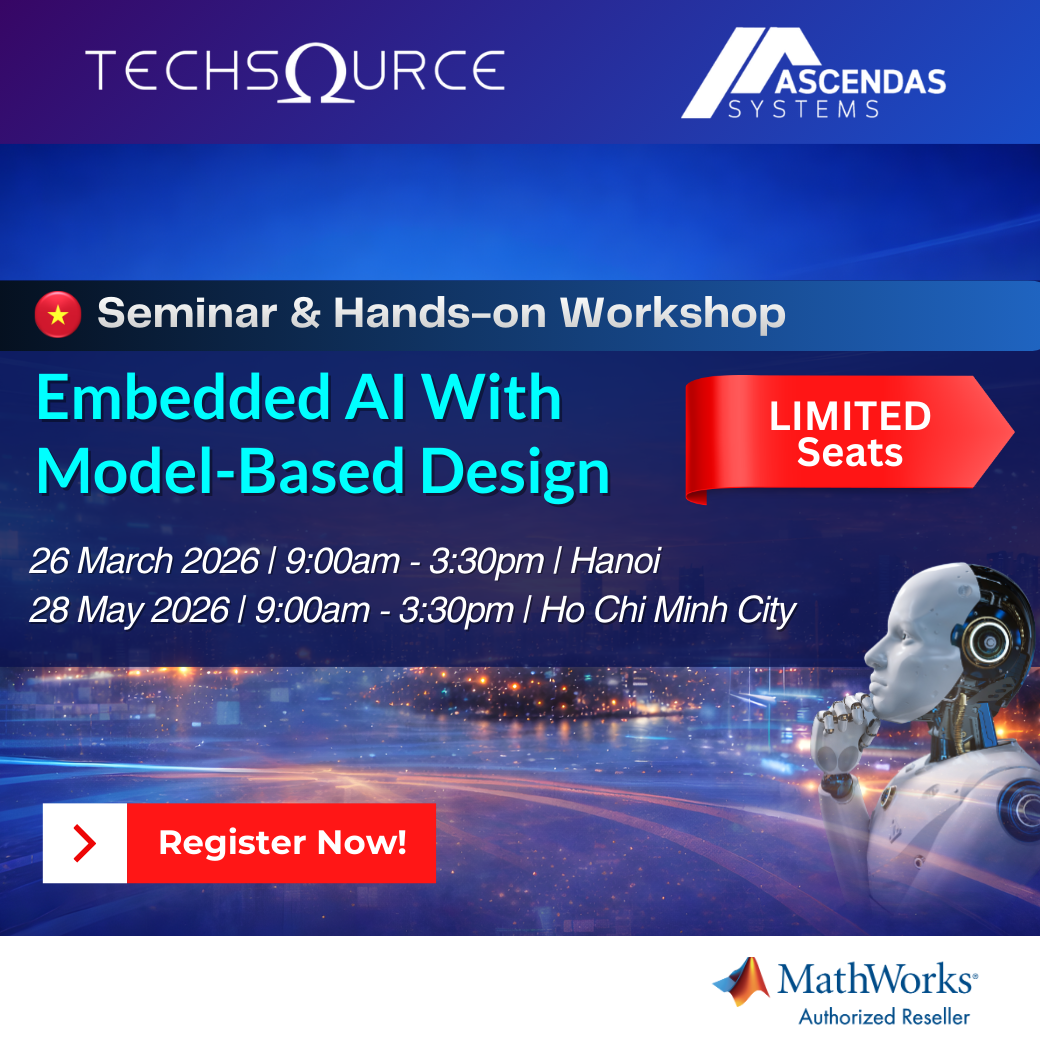
Seminar & Hands-on Workshop in Vietnam: Embedded AI With Model-Based Design
Explore how engineers use Model-Based Design to efficiently design, validate, and deploy embedded AI on resource-constrained microcontrollers.
อ่านเพิ่มเติม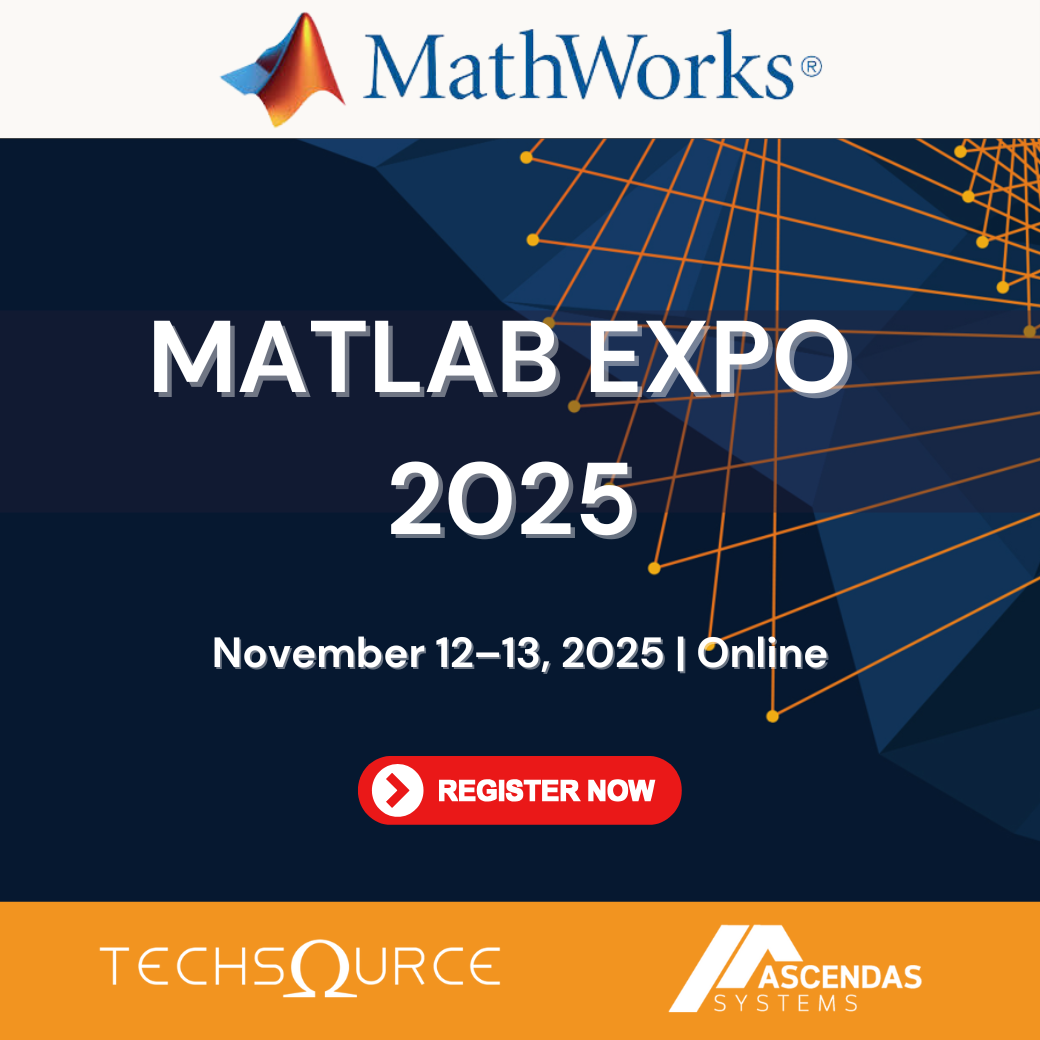
MATLAB EXPO 2025
Join industry leaders and MathWorks engineers at MATLAB EXPO 2025 on November 12–13 to get the latest information about AI, electrification, wireless communications, and Model-Based Design.
อ่านเพิ่มเติม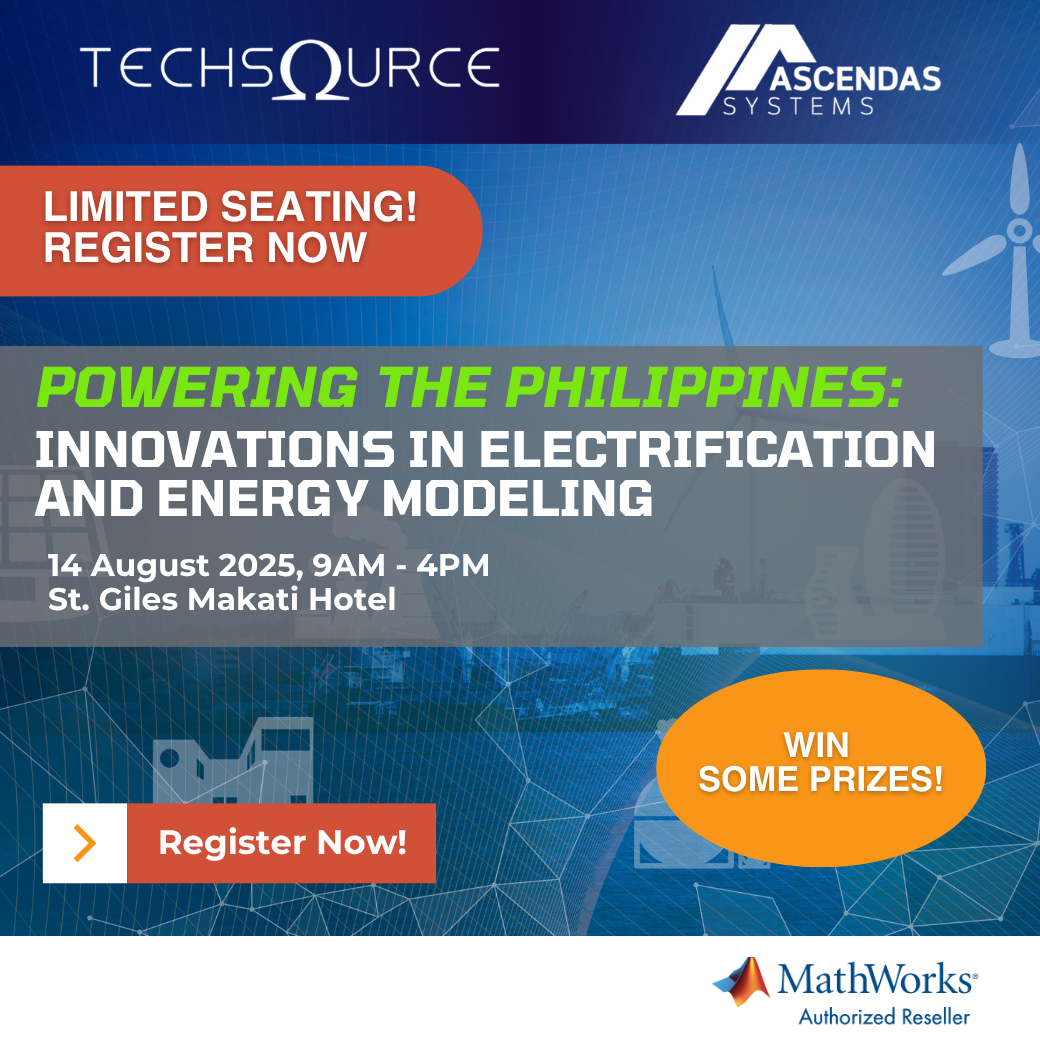
Seminar: Powering the Philippines: Innovations in Electrification and Energy Modeling
Join us in Makati City for a full-day seminar and hands-on workshop on how MATLAB® and Simulink® are driving clean energy innovation in the Philippines and Southeast Asia. Gain hands-on experience, learn from experts, and explore real-world applications in renewables, microgrids, and energy storage.
อ่านเพิ่มเติม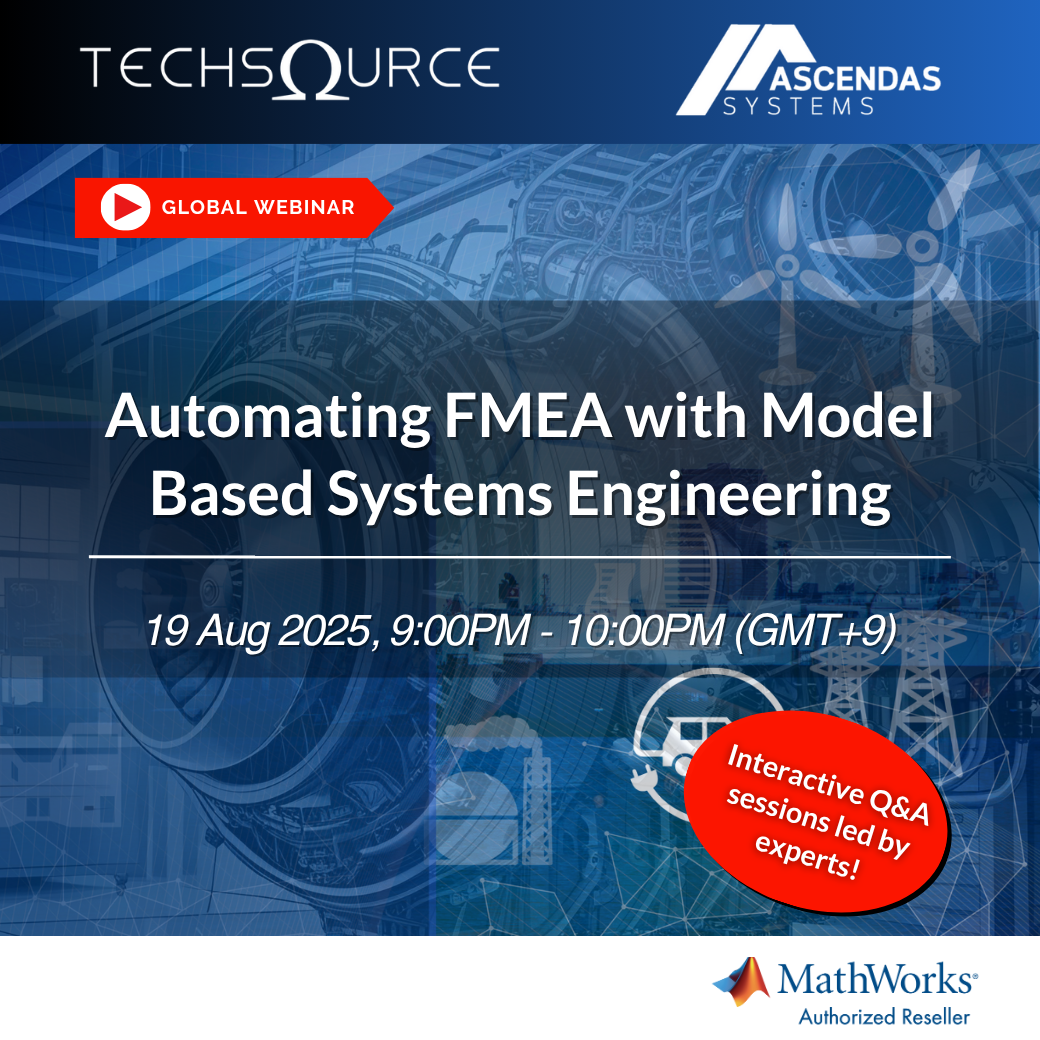
Automating FMEA with Model Based Systems Engineering
Join our session exploring how Model-Based Systems Engineering (MBSE) and fault injection can improve the reliability of critical medical device alarms. Learn how this approach addresses IEC 60601-1-12 compliance, reduces logical errors in FMEA, and ensures alarms like the high-pressure alert function correctly—even under single-fault conditions. Includes live demo, insights, and Q&A
อ่านเพิ่มเติม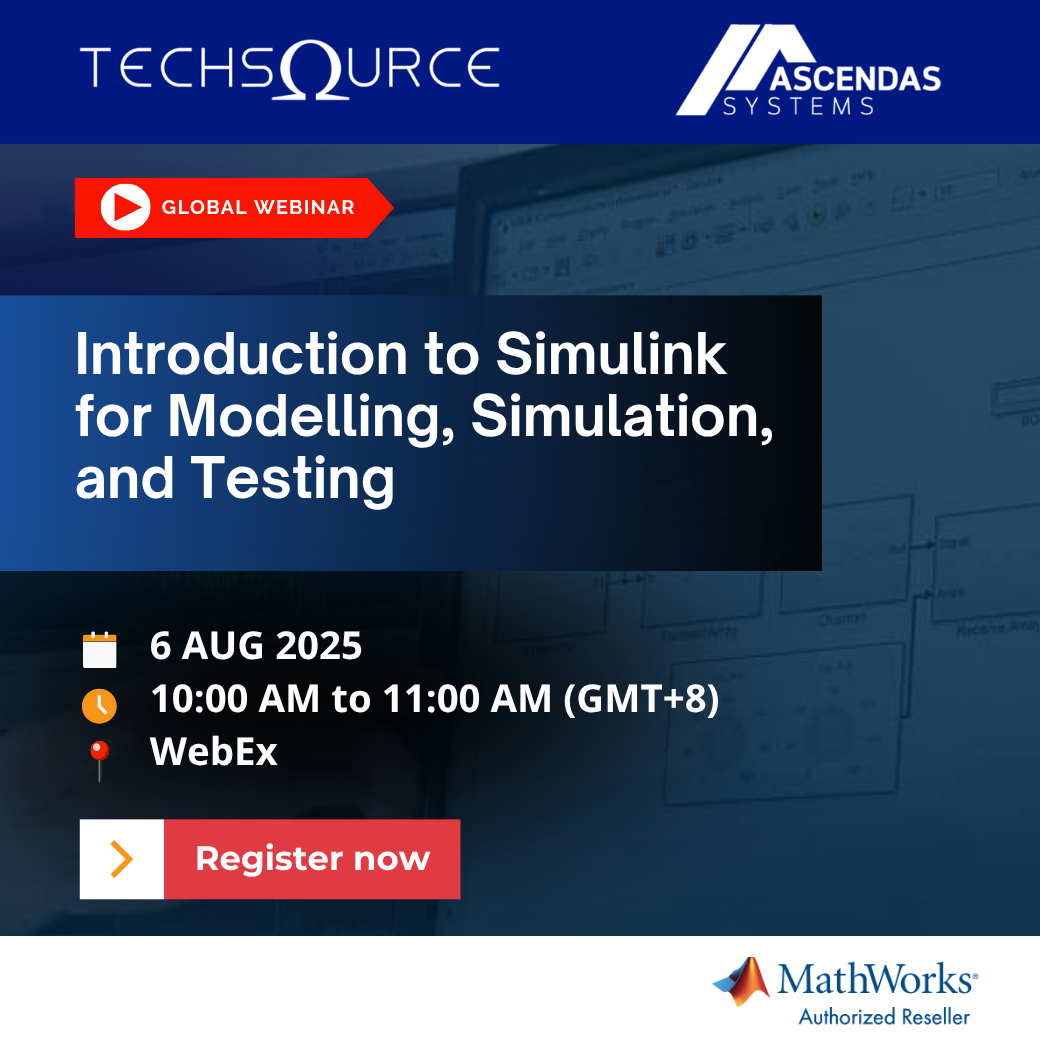
Introduction to Simulink for Modelling, Simulation, and Testing
In this seminar, you will learn Simulink basics for modelling, simulating, and testing control design for multi-domain dynamic systems. You’ll gain insight on how to build models, design control algorithms, and analyse simulations. After learning some basics, you will see how you can tie requirements to your design, test for traceability and verification, and generate code for your software implementation.
อ่านเพิ่มเติม