 EN
EN  TH
TH  VI
VI 


 Customise Your Training

TechSource Systems is MathWorks Authorised Reseller and Training Partner

Learn general embedded concepts, tools, and techniques using the
Vivado® Design Suite and Vitis™ unified software platform.

This three-day training let you Learn general embedded concepts, tools, and techniques using the Vivado® Design Suite and Vitis™ unified software platform.
The emphasis is on:

Engineers who are interested in developing embedded systems with the AMD Zynq SoC, Zynq UltraScale+ MPSoC, and/or MicroBlaze soft processor core.


After completing this comprehensive training, you will have the
necessary skills to:
TechSource Systems is MathWorks Authorised Reseller and Training Partner
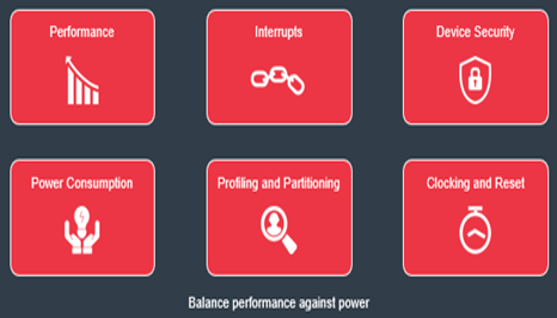
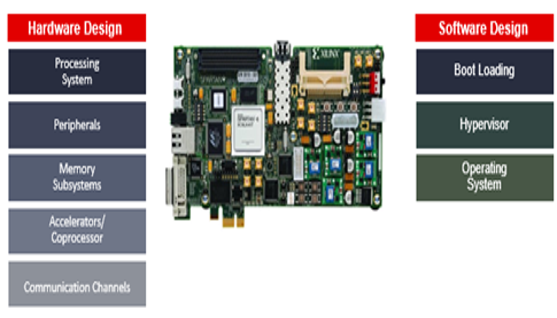
Objective: Outlines the different elements that comprise the Embedded Design Methodology.
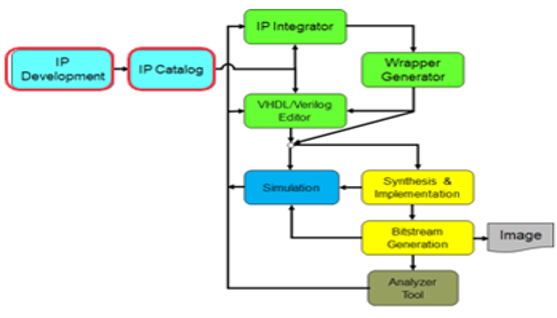
Objective: Overview of the embedded hardware development flow.
Objective: Describes how to access and effectively use the IPI tool.
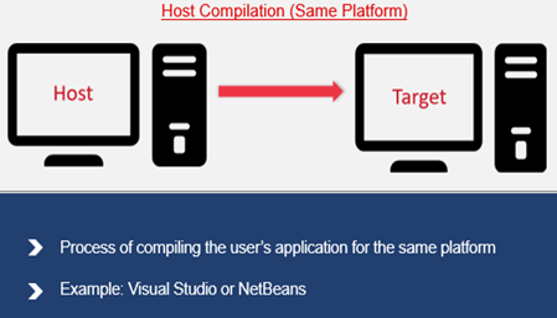
Objective: Reviews the process of building a user application.
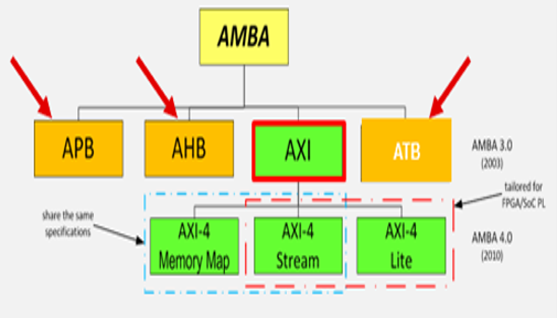
Objective: Introduces the AXI protocol.
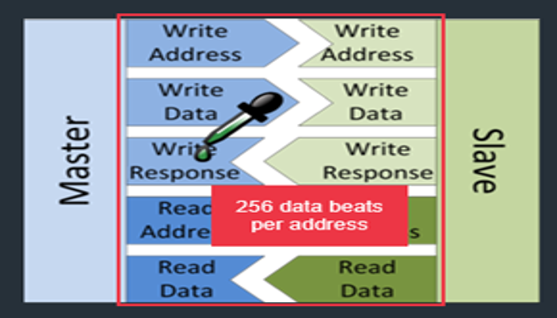
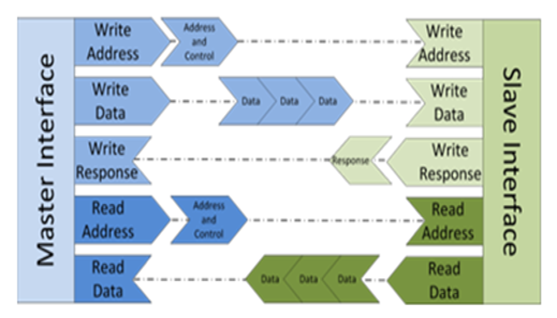
Objective: Describes the differences and similarities among the three
primary AXI variations.
Objective: Describes the differences and similarities among the three
primary AXI variations.
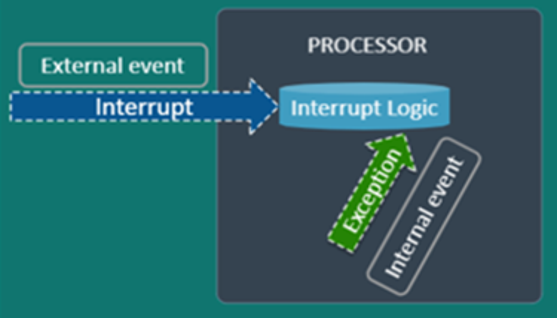
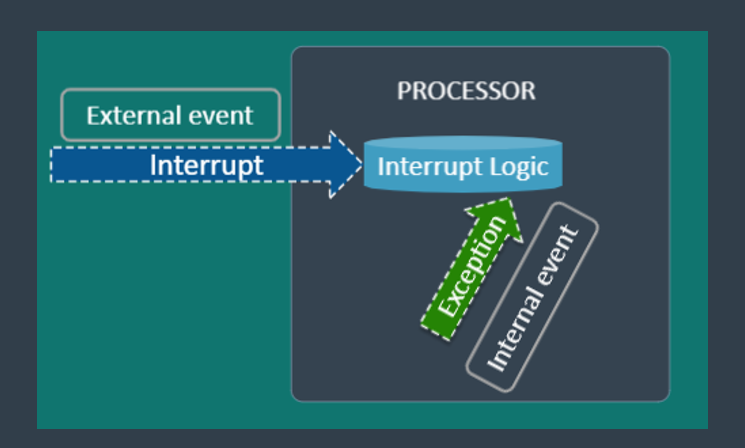
Objective: Explain the difference between an interrupt and an exception.
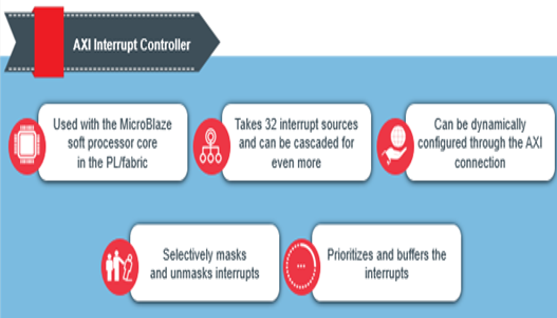
Objective: Reviews the hardware that is typically available to help implement and manage interrupts.
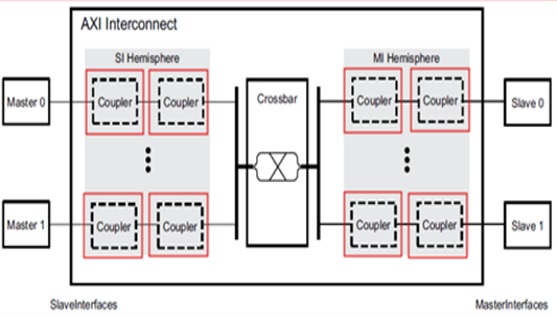
Objective: Describes the relationships between different types of AXI interfaces and how they can be connected to form hierarchies.
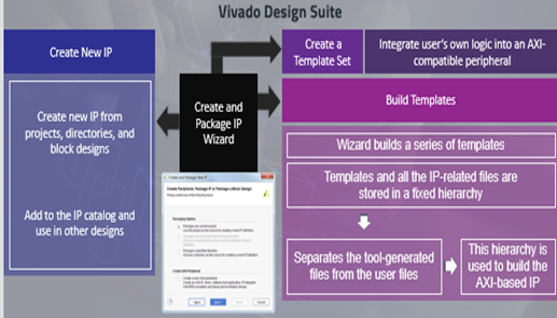
Objective: Explains how to use the Create and Import Wizard to create and package an AXI IP.
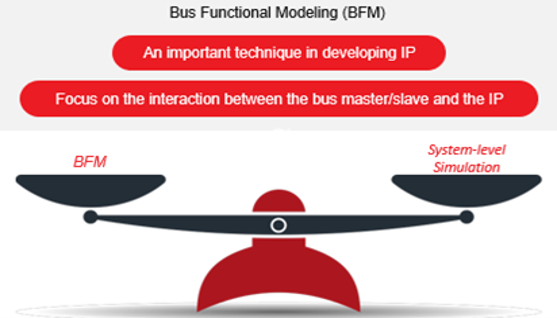
Objective: Describes how to perform BFM simulation using the Verification IP.
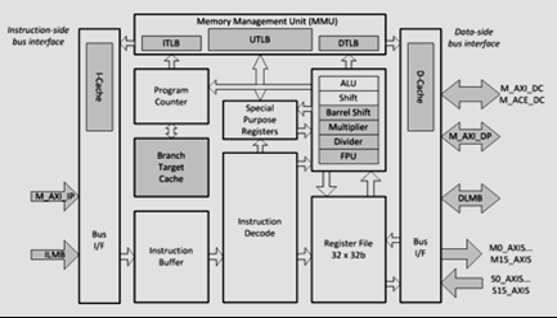
Objective: Overview of the MicroBlaze microprocessor architecture.
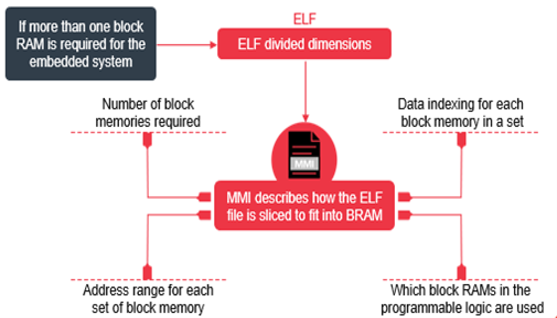
Objective: Highlights how block RAM can be used with the MicroBlaze processor.
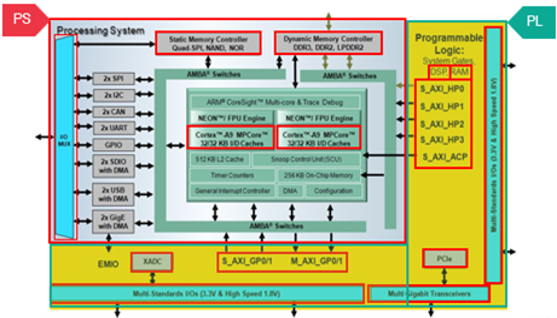
Objective: Overview of the Zynq-7000 SoC architecture.
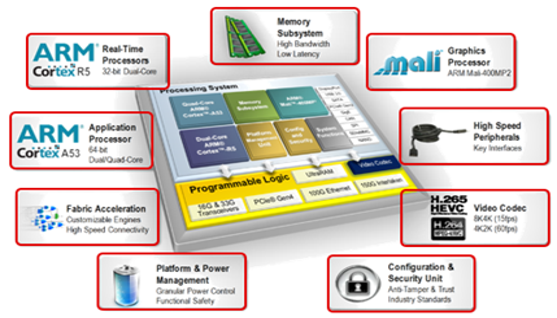
Objective: Overview of the Zynq UltraScale+ MPSoC architecture.
Objective: Enumerate some of the under-the-hood tools provided in the Vitis IDE.
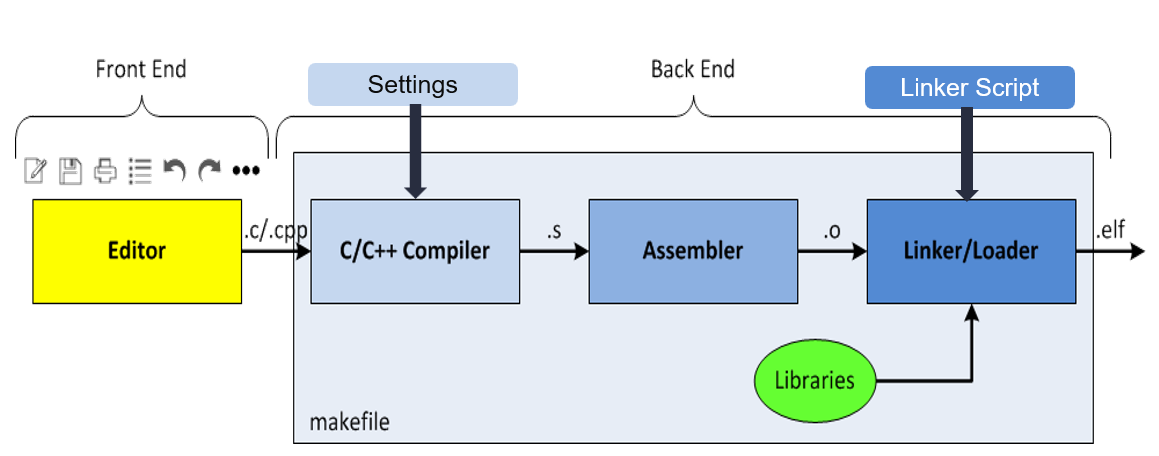
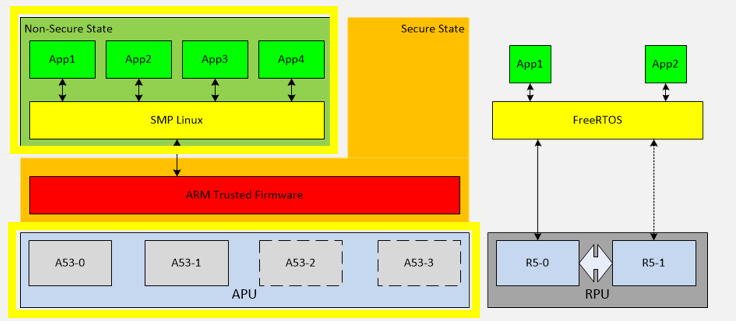
Objective: Describes the software development environments for Zynq UltraScale+™ MPSoCs.
Objective: Introduces the basic behaviors required to drive the Vitis tool to generate a debuggable C/C++ application.
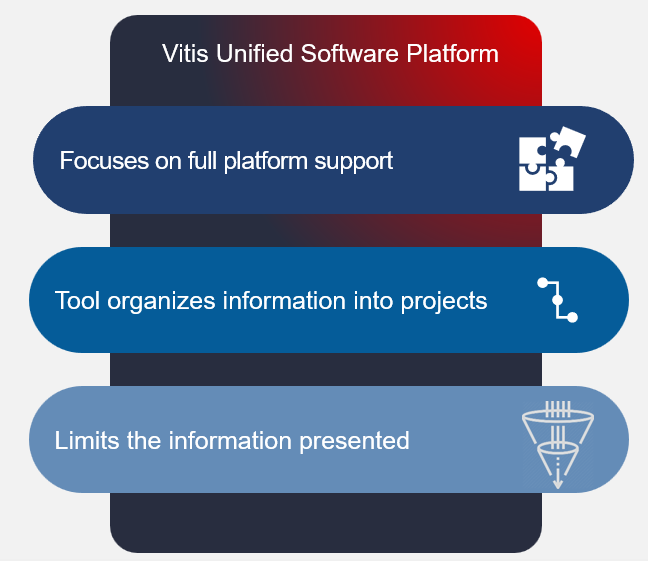
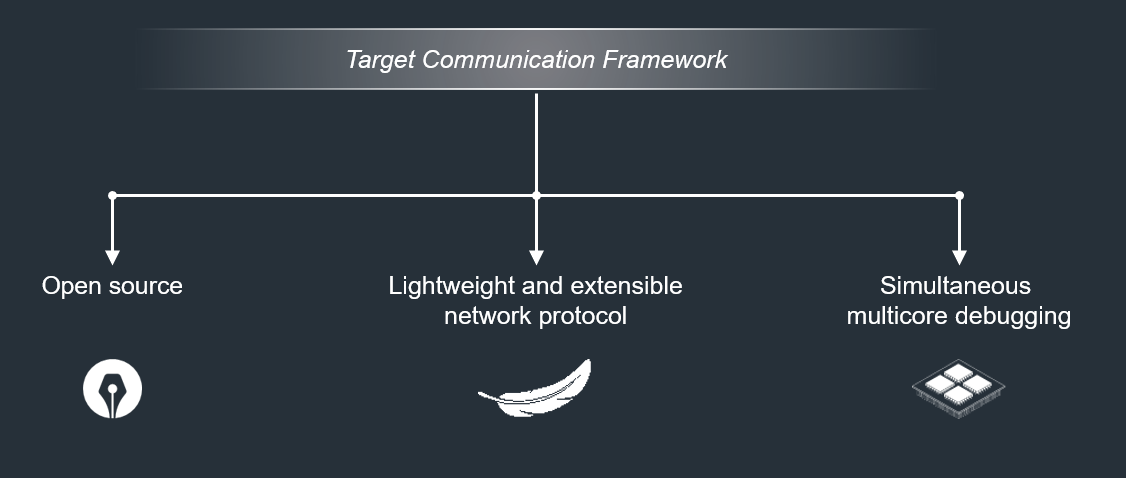
Objective: Describes the basics of actually running a debugger and illustrates the most commonly used debugging commands.
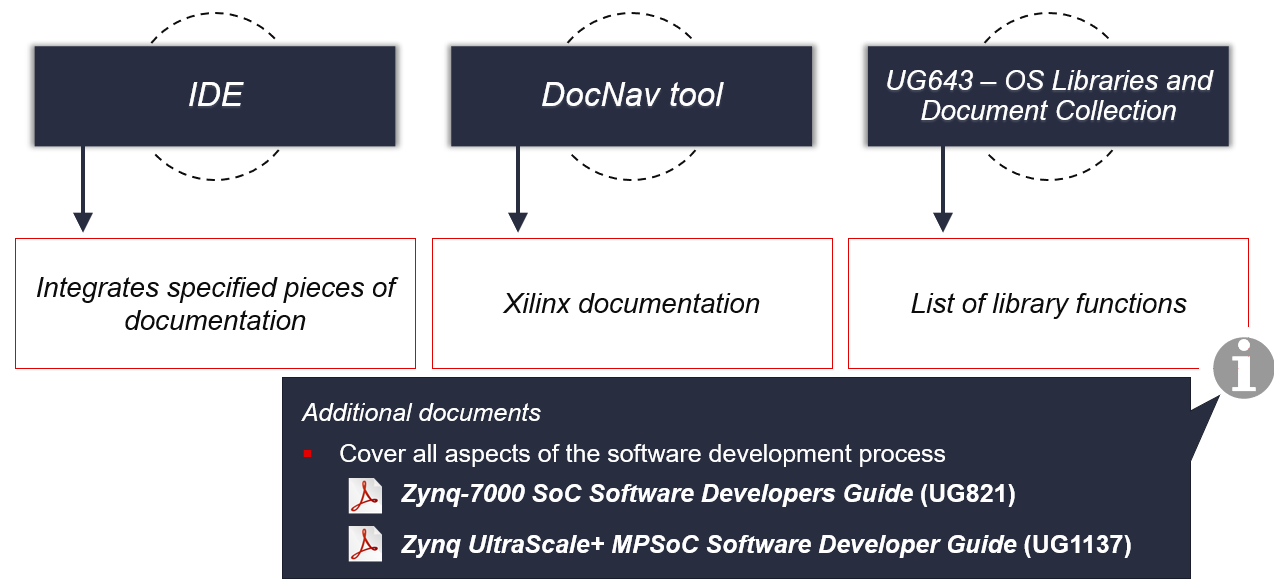
Objective: Covers the various software components, or layers, supplied by Xilinx that aid in the creation of low-level software and includes a discussion on drivers, domains, operating systems, and libraries. Also covers the basic services (libraries) available when coding in the Standalone environment.
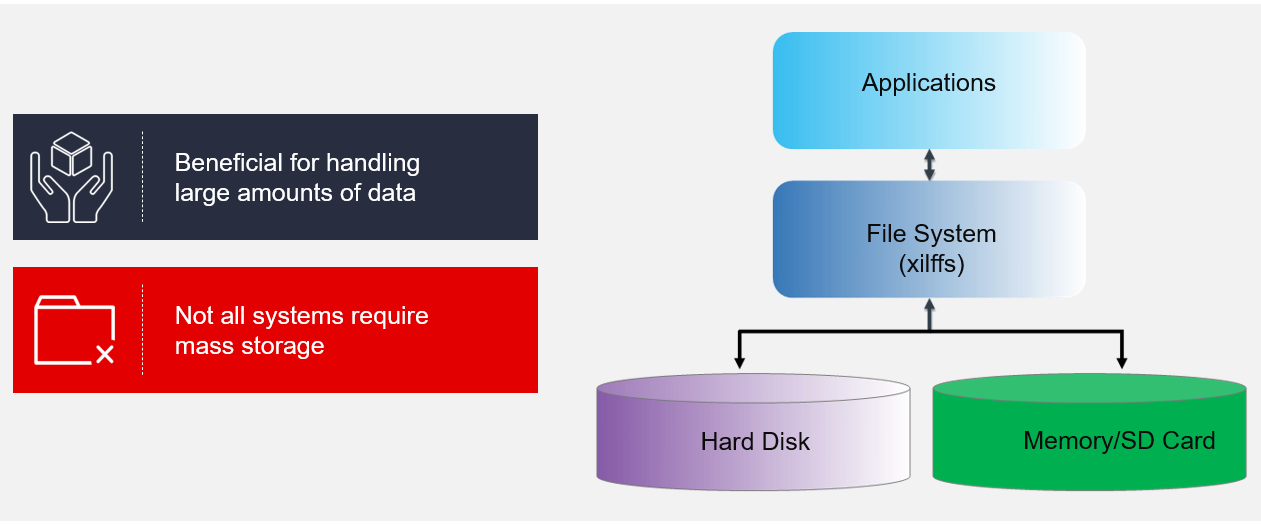
Objective: Introduces the FAT file system (FFS) from the Standalone/Bare-metal library. The FFS provides drivers and utilities for effectively converting a region of memory into a file system.
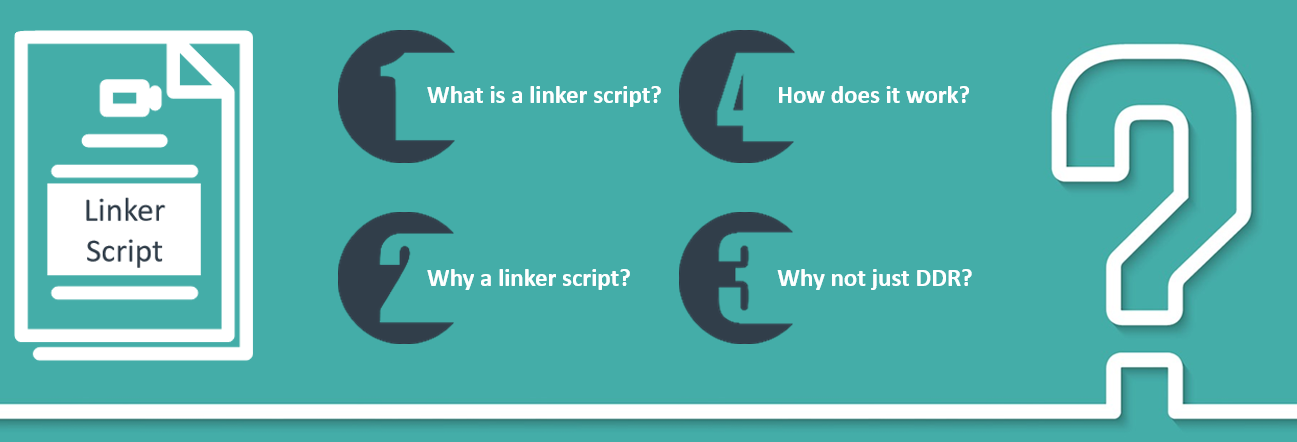
Objective: Overview of the purpose and typical use of a linker script.
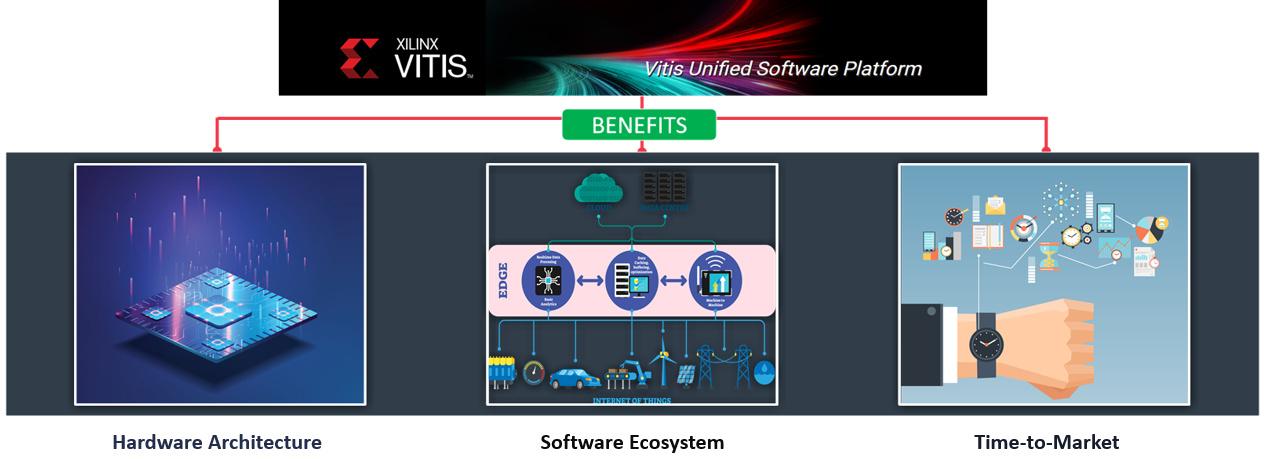
Objective: Overview of migrating existing Xilinx SDK projects to Vitis software development projects.
Objective: Introduces the concept of interrupts, basic terminology, and generic implementation.
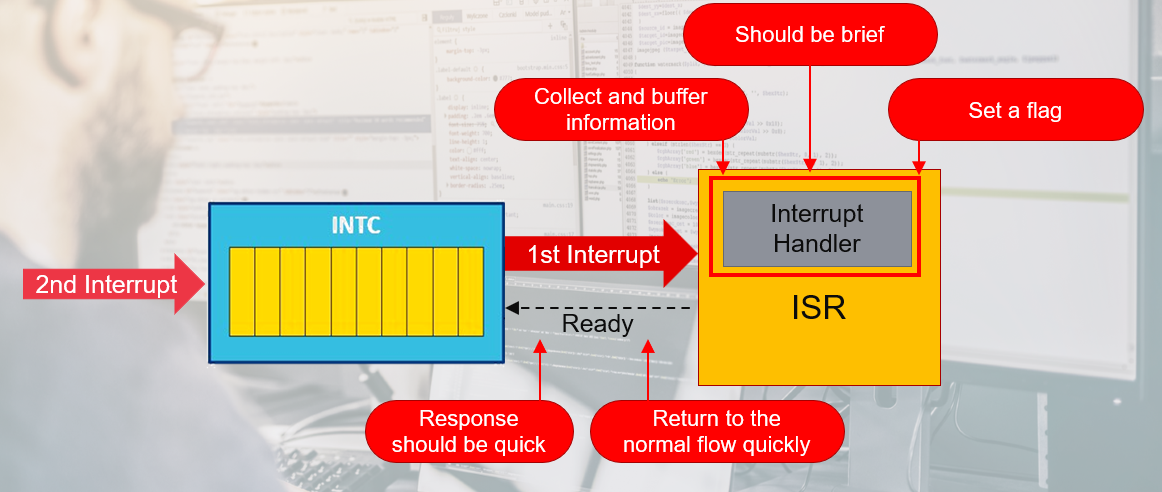
Objective: Describes many of the considerations that a software coder must take into account when supporting interrupts.