 EN
EN  TH
TH  VI
VI 


 Customise Your Training

TechSource Systems is MathWorks Sole and Authorised Distributor and Training Partner

Get an overview of ISO 26262 and its role in the automotive industry.
Complimentary Services: Post training email support & 1-hr consultation session within 1 month after the course completion!

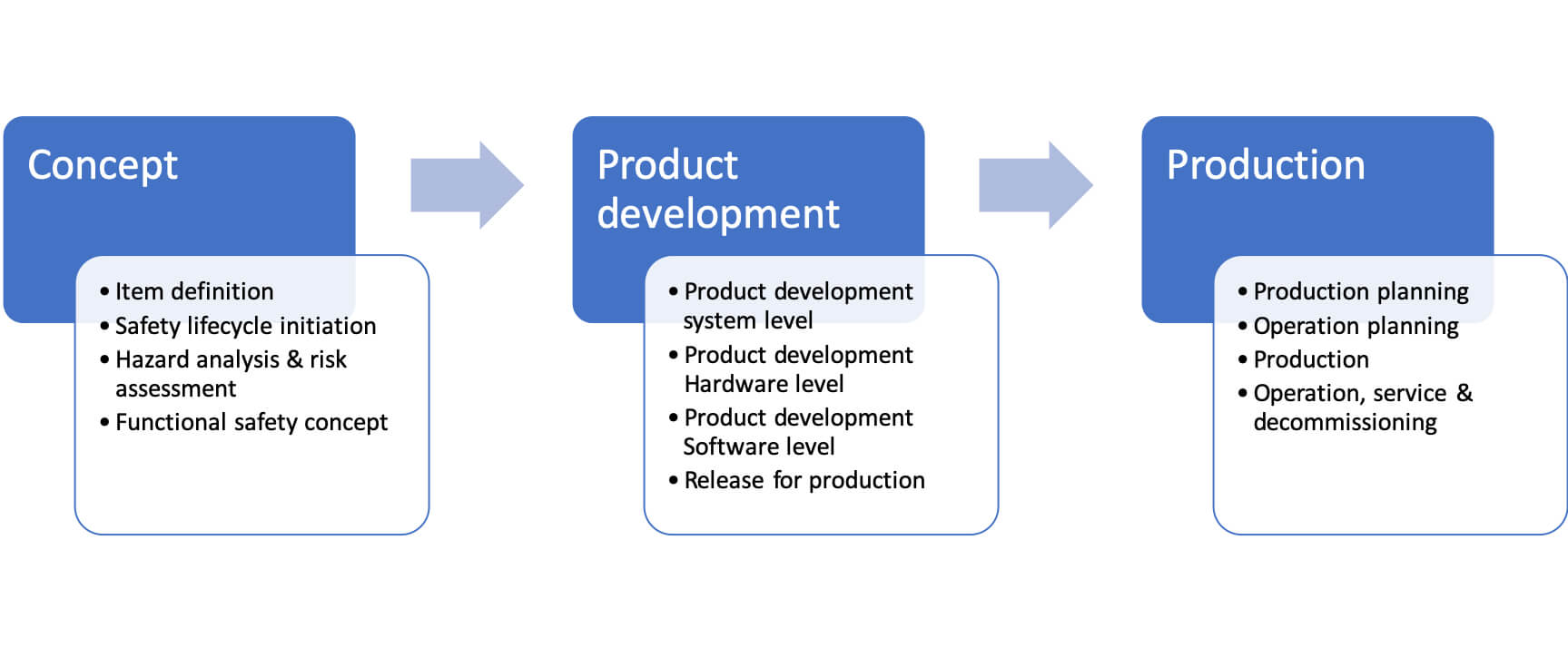
This five-day course describes guiding principles for applying Model-Based Design to meet ISO 26262 and IEC 61508 compliance for safety-related software development. It enables users to take advantage of the Simulink® environment to synthesize, implement, and validate their software components in a manner consistent with the principles of functionals safety guidelines.
Topics include:

This course is intended for intermediate or advanced Simulink users. Knowledge of C programming language is recommended. Knowledge of the ISO 26262 standard or IEC 61508 standard is recommended.

Fundamental knowledge of MATLAB and Simulink. MATLAB Onramp and Simulink Onramp.

Upon the completion of the course, the participants will be able to:
• Design and implement your software system using Simulink and Embedded Coder.
• Manage traceability between software requirements, model, generated code, and testing artifacts.
• Perform automated testing on the model and generated code to verify your design against software requirements.
• Ensure code compliance to industry software standard
TechSource Systems is MathWorks Sole and Authorised Distributor and Training Partner
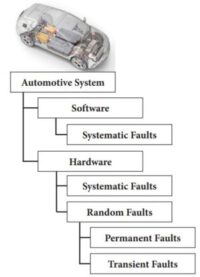
Objective: Get an overview of ISO 26262 and its role in the automotive industry.
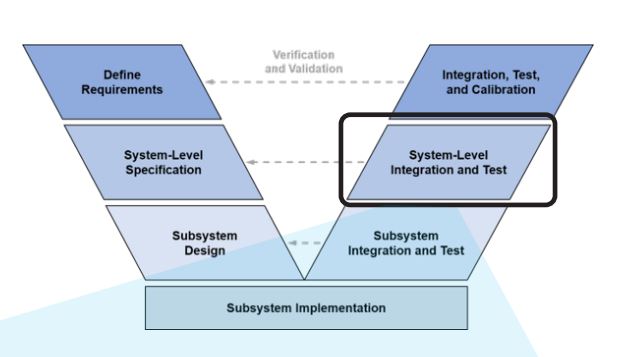
Objective: Organize project files (models, data, documentation). Familiarize with the project environment.
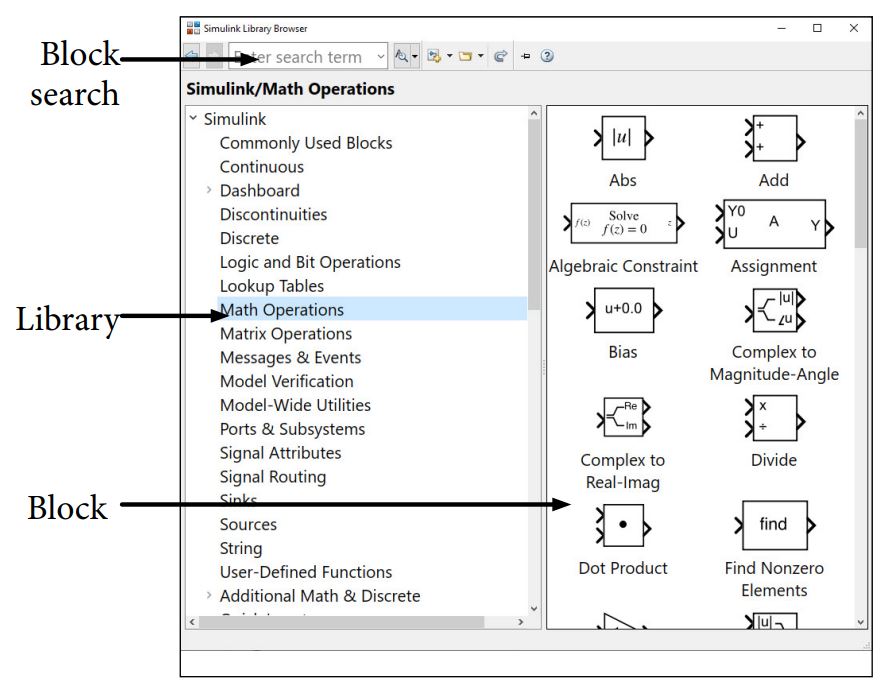
Objective: Create and simulate a Simulink model for algorithm development. Manage model data using data dictionaries.
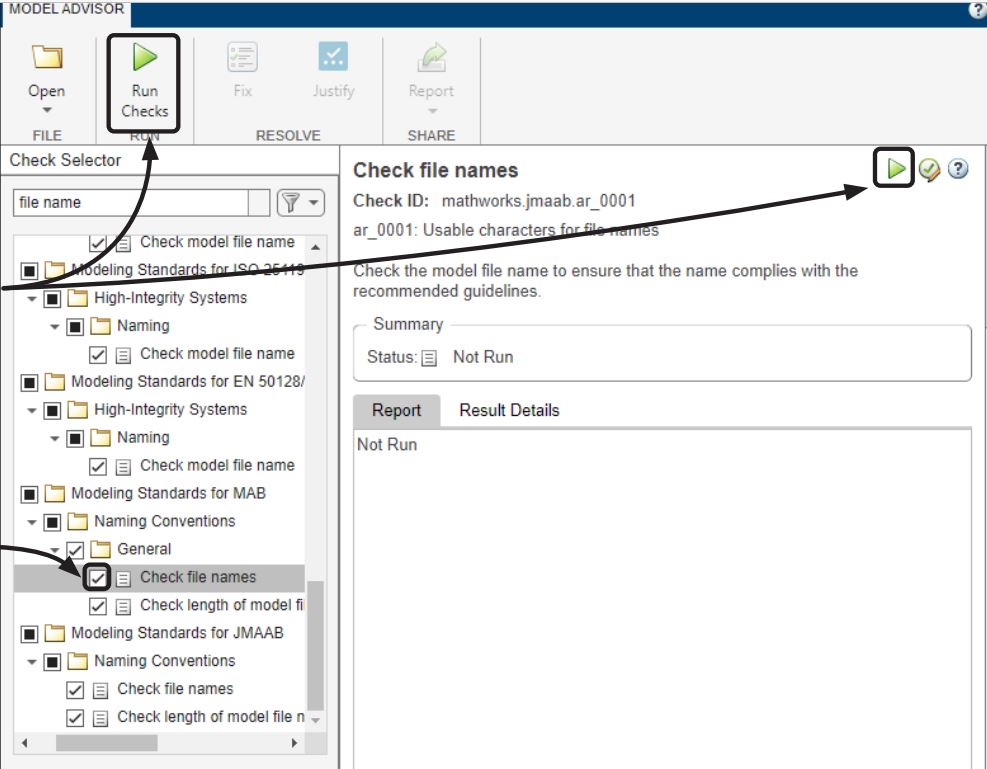
Objective: Explore how to set up and enforce modeling standards and check for common modeling errors.
Objective: Link a Simulink model to software requirements.
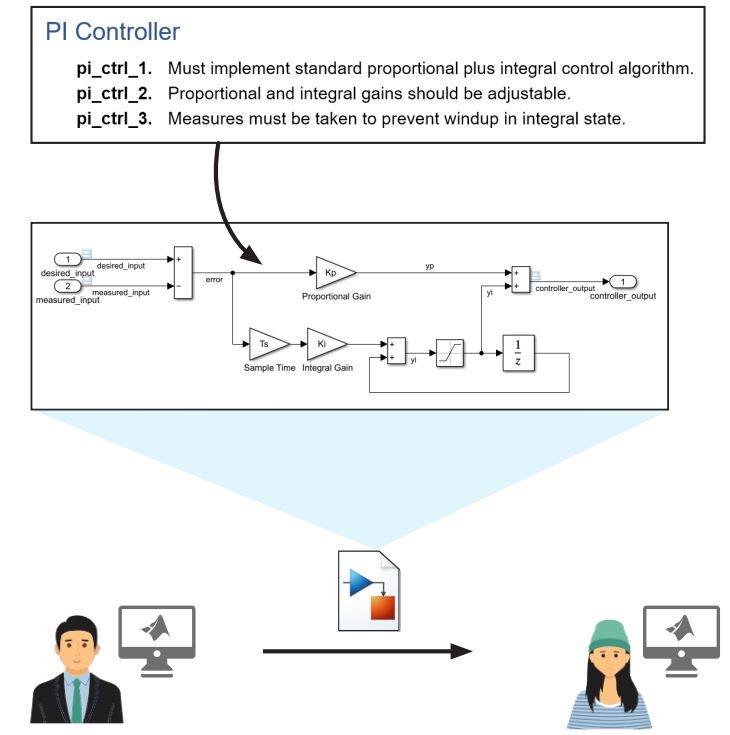
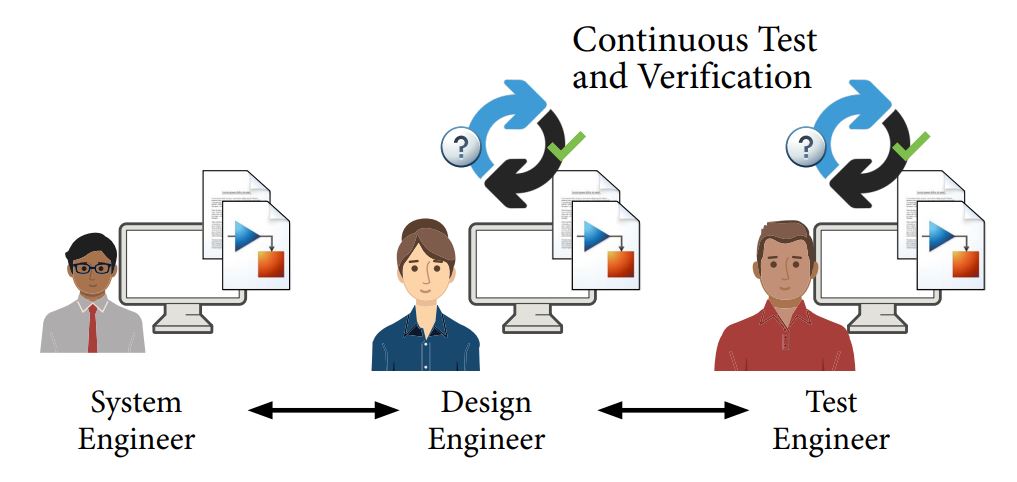
Objective: Create time-based and logic-based test cases for a Simulink model.
Objective: Generate code for a software unit. Customize the generate code to optimize data storage and execution.
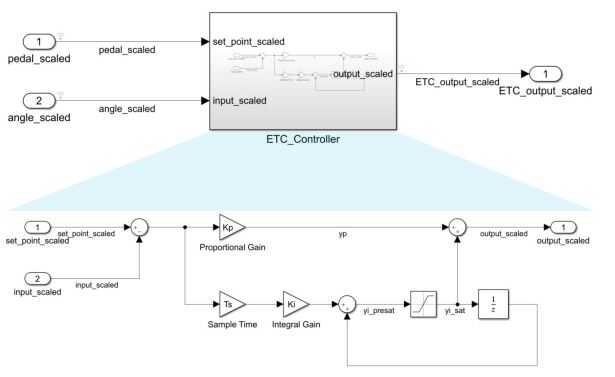
Objective: Create functional partitioning within a software unit using subsystems. Package subsystems into library blocks for reuse. Create partitions in the generated code.
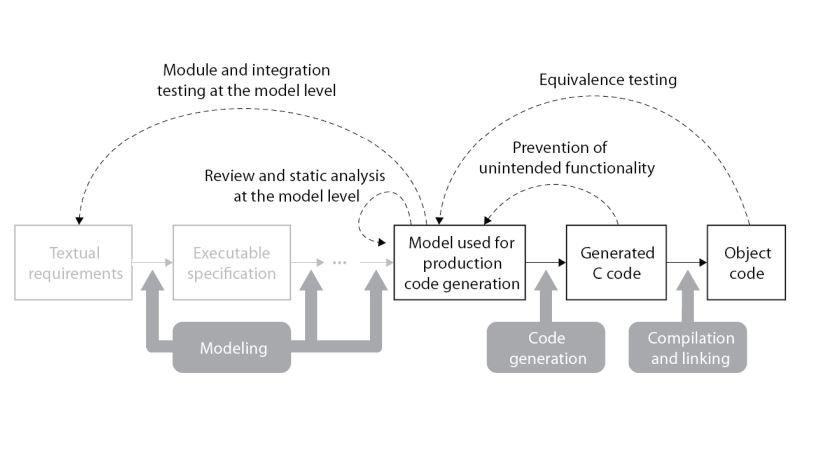
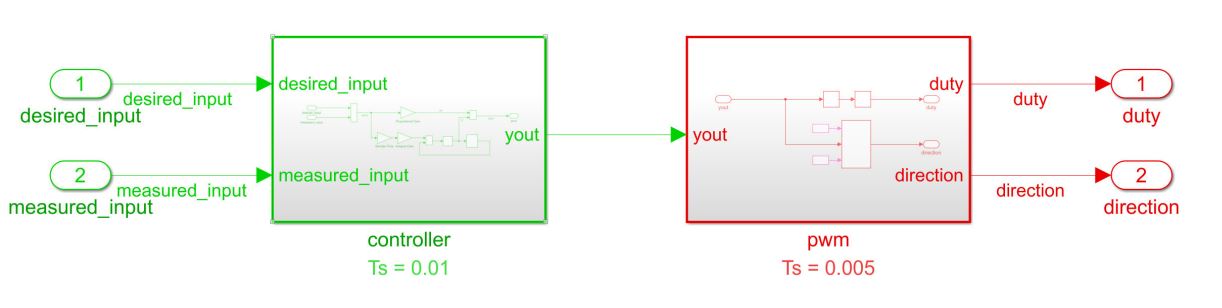
Objective: Introduce rate-based and export function modeling approach. Handle rate transition between rates.
Objective: Create a software architecture model using System Composer. Analyze the software architecture and link to behavioral model.
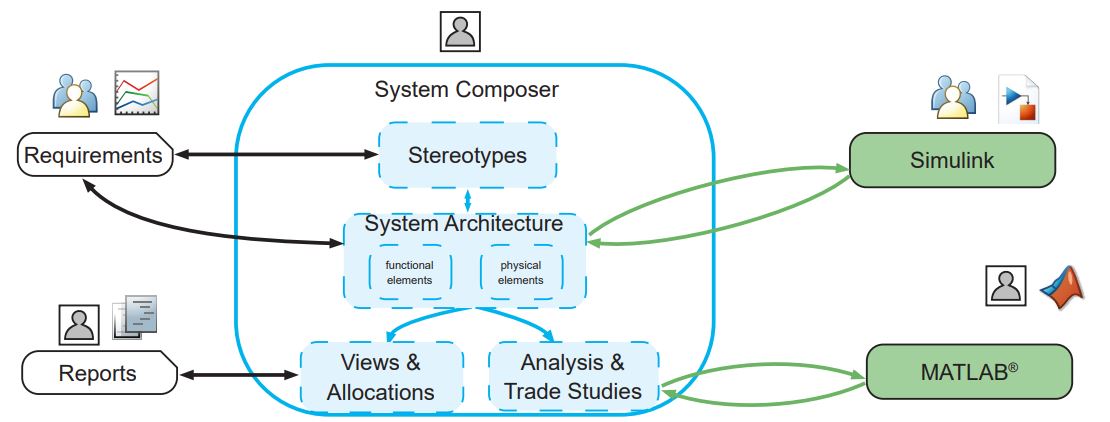
Objective: Organize software units into an integration model using model referencing. Configure model settings and data dictionaries so they can be shared across different models in the integration stage.
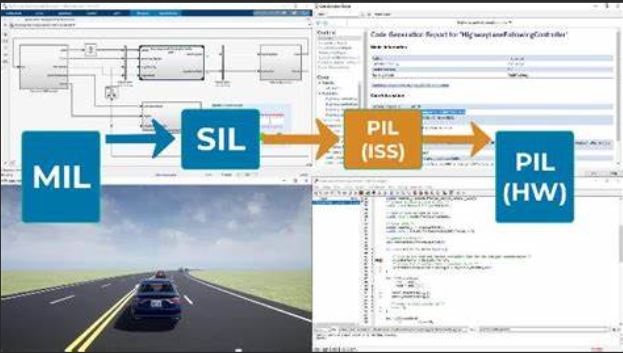
Objective: Testing and verification of the generated code using in-the-loop testing techniques.
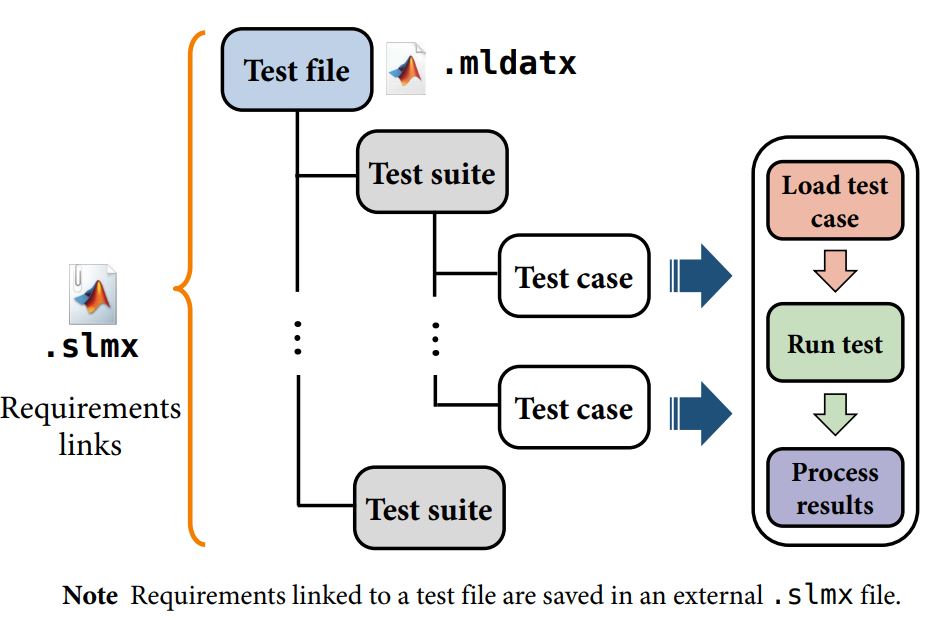
Objective: Create repeatable groups of tests and automatically generate reports from the test results.
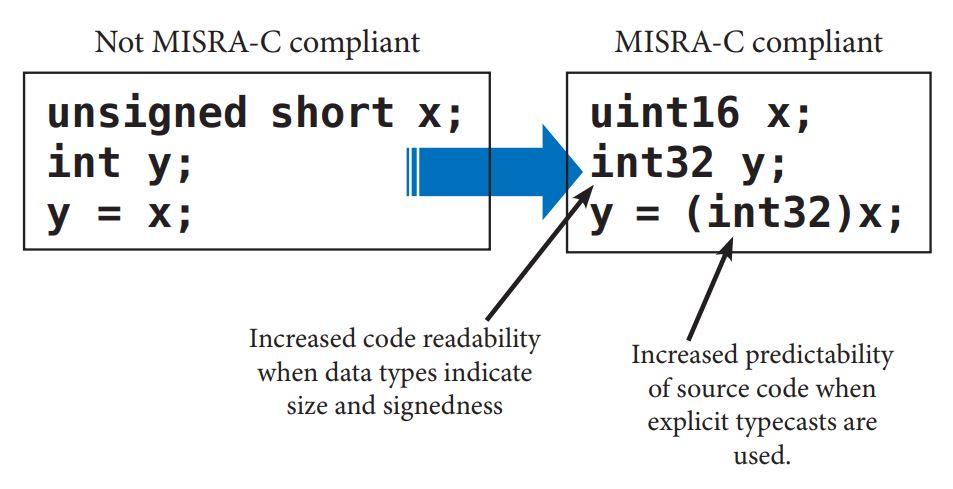
Objective: Perform static analysis on the generated code to ensure the code is compliant with MISRA C:2012.
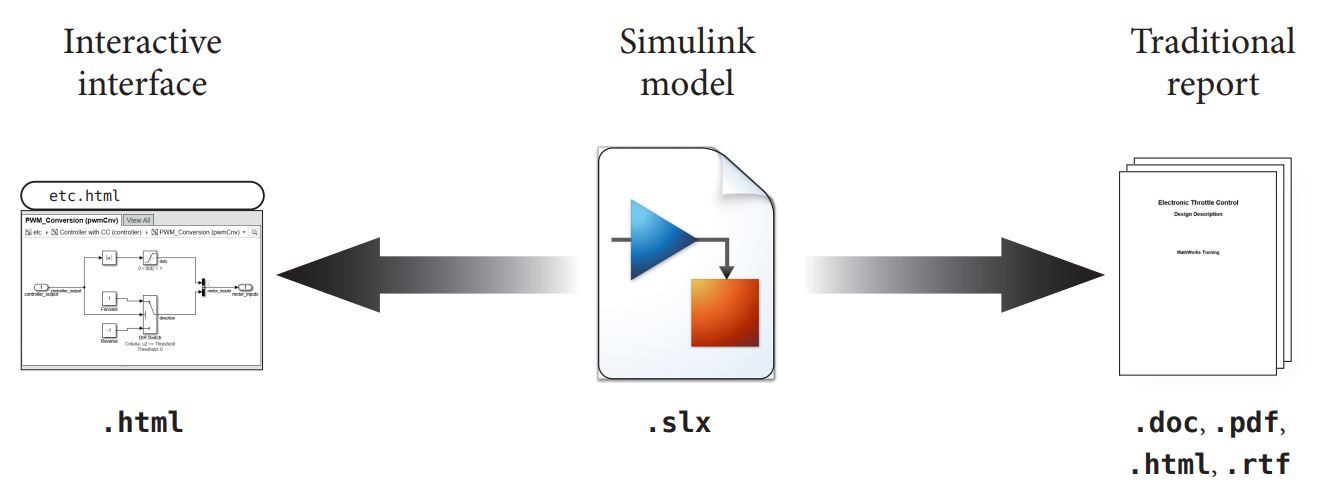
Objective: Discuss the methods of automatically creating reports and documentation from Simulink models. Discuss configuration management methods in the project environment.
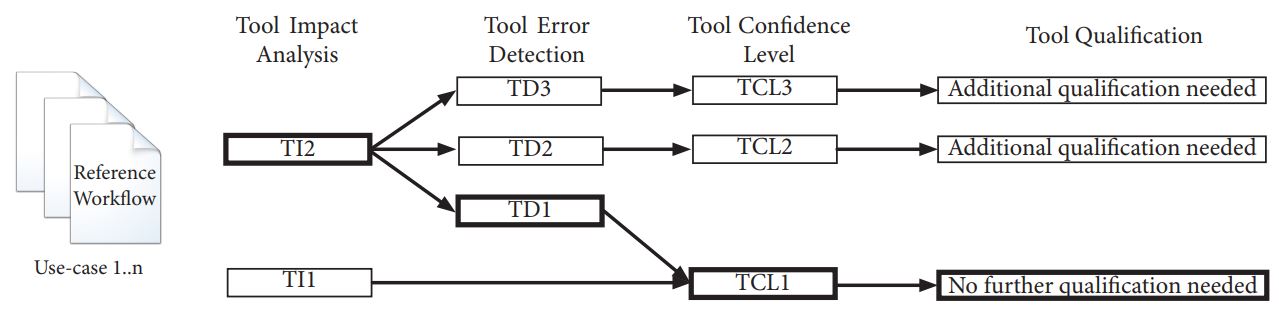
Objective: Use the IEC Certification Kit (for ISO 26262 and IEC 61508) to qualify MathWorks tools to meet compliance with ISO 26262.
Objective: Apply Model-Based Design to implement a control algorithm to showcase the reference workflow.