Embedded System Design with ADC/DAC

Learn general embedded concepts, tools, and techniques using the
Vivado® Design Suite and Vitis™ unified software platform with a special emphasis on the RF Data Converter

TechSource Systems Pte Ltd

Course
Highlights

This four-day training let you Learn general embedded concepts, tools, and techniques using the Vivado® Design Suite and Vitis™ unified software platform.

The emphasis is on:

  • Designing, expanding, and modifying embedded systems utilizing the features and capabilities of the Zynq UltraScale+™ MPSoC.
  • Adding and simulating AXI-based peripherals using bus functional model (BFM) simulation
  • Describing the RFSoC family in general
  • Identifying applications for the RF Data Converter
  • Configuring, simulating, and implementing the blocks
  • Verifying the RF Data Converter on real hardware
TechSource Systems Pte Ltd

Who Should
Attend

Engineers who are interested in developing embedded systems with the Zynq UltraScale+ MPSoC. and interested in understanding the architecture and capabilities of the Zynq UltraScale+ RFSoC data converter.

TechSource Systems Pte Ltd

Course
Prerequisites

  • FPGA design experience
  • Basic understanding of microprocessors
TechSource Systems Pte Ltd

Course
Benefits

After completing this comprehensive training, you will have the
necessary skills to:

  • Describe the various tools that encompass a AMD embedded design
  • Rapidly architect an embedded system containing a Cortex-A9/A53/R5 or MicroBlaze processor using the Vivado IP integrator and Customization Wizard
  • Develop software applications utilizing the Vitis unified software platform
  • Create and integrate an IP-based processing system component in the Vivado Design Suite
  • Design and add a custom AXI interface-based peripheral to the embedded processing system
  • Simulate a custom AXI interface-based peripheral using verification IP (VIP)
  • Describe in general the new Zynq UltraScale+ RFSoC family
  • Identify typical applications for the RF data converters
  • Describe the architecture and functionality of the RF-ADC
  • Utilize the RF-ADC via configuration, simulation, and implementation
  • Describe the architecture and functionality of the RF-DAC
  • Utilize the RF-DAC via configuration, simulation, and implementation

Partners

TechSource Systems Pte Ltd

TechSource Systems is MathWorks Authorised Reseller and Training Partner

Upcoming Program

  • Please keep me posted on the next schedule
  • Please contact me to arrange customized/ in-house training

Course Outline

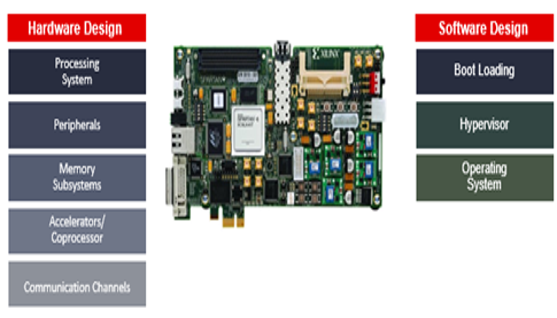
Embedded UltraFast Design Methodology

Objective: Outlines the different elements that comprise the Embedded Design Methodology.
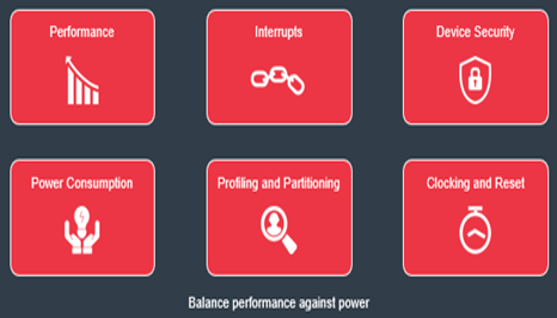
  • Enumerate the different elements that comprise the Embedded Design Methodology
  • Identify the flows for both hardware and software development
TechSource Systems Pte Ltd

Overview of Embedded Hardware Development

Objective: Overview of the embedded hardware development flow.

  • Describe different flows for developing the hardware for an embedded AMD system
  • Enumerate diagnostic approaches for validating and debugging an embedded AMD system

Driving the IP Integrator Tool

Objective: Describes how to access and effectively use the IPI tool.
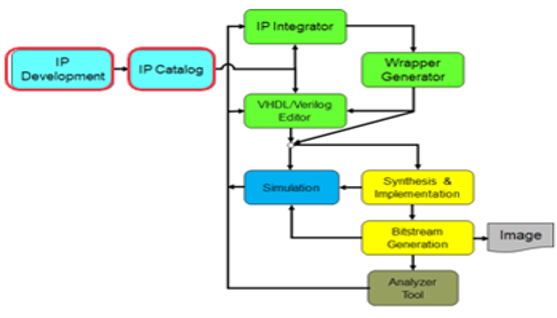
  • Describe the benefits of using the IPI tool
  • Enumerate some of the differences between a traditional development flow and one using the IPI tool
TechSource Systems Pte Ltd

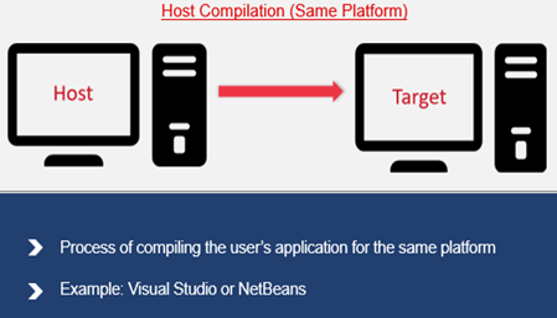
Overview of Embedded Software Development

Objective: Reviews the process of building a user application.

  • Describe the primary software development environment used with AMD devices
  • List some of the AMD-provided extensions available in the Vitis™ IDE
  • Enumerate some of the under-the-hood tools provided in the Vitis IDE

AXI: Introduction

Objective: Introduces the AXI protocol.
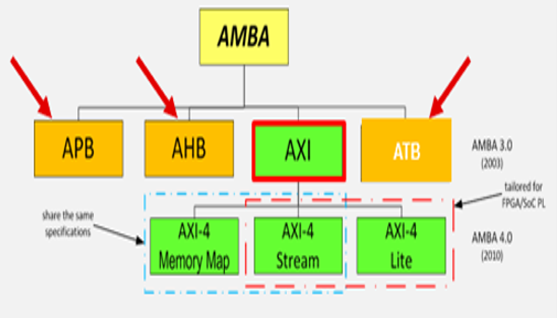
  • Describe how AXI fits into the AMBA protocol developed by Arm
  • Explain what AXI is and what it is not
TechSource Systems Pte Ltd

AXI: Variations

Objective: Describes the differences and similarities among the three primary AXI variations.
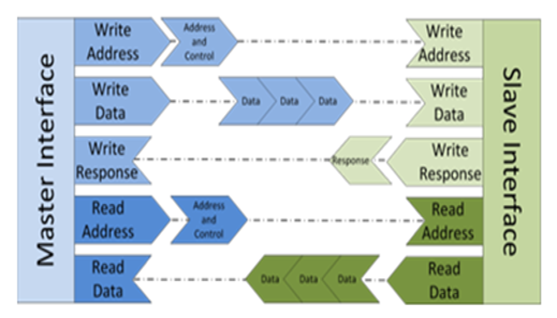
  • Describe the differences & similarities among the three primary AXI variations

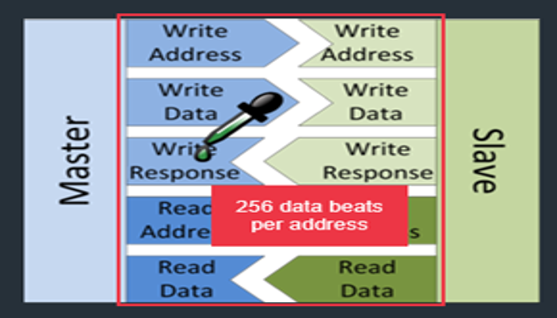
AXI: Transactions

Objective: Describes the differences and similarities among the three primary AXI variations.
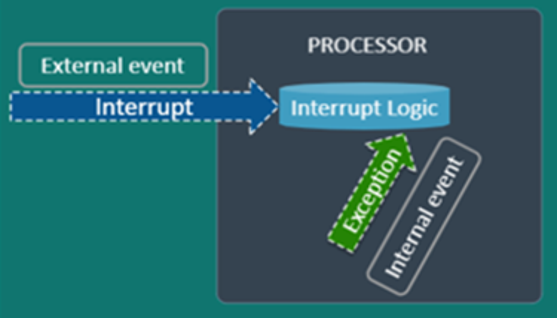
  • Describes different types of AXI transactions.
TechSource Systems Pte Ltd

Introduction to Interrupts

Objective: Explain the difference between an interrupt and an exception.

  • Describe the basic behavior of an interrupt-driven system
  • Explain the difference between an interrupt and an exception

Explain the difference between an interrupt and an exception

Objective: Reviews the hardware that is typically available to help implement and manage interrupts.
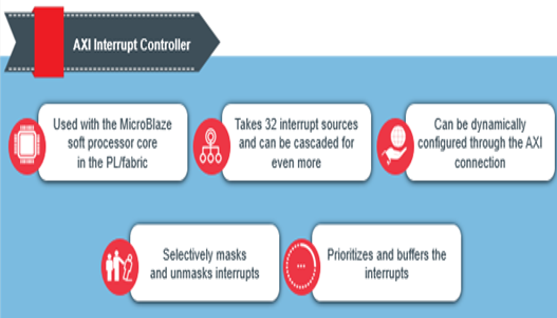
  • Identify the different types of interrupt controllers available in Xilinx devices
  • Explain how interrupt controllers operate
TechSource Systems Pte Ltd

AXI: Connecting AXI IP

Objective: Describes the relationships between different types of AXI interfaces and how they can be connected to form hierarchies.
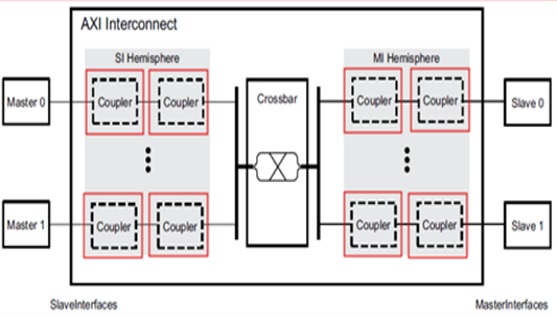
  • Describe the basic differences between AXI3 and AXI4 and their management within the Xilinx tools
  • Explain how IPI interfaces aid in making connections
  • Identify basic IP for creating full AXI hierarchies
TechSource Systems Pte Ltd

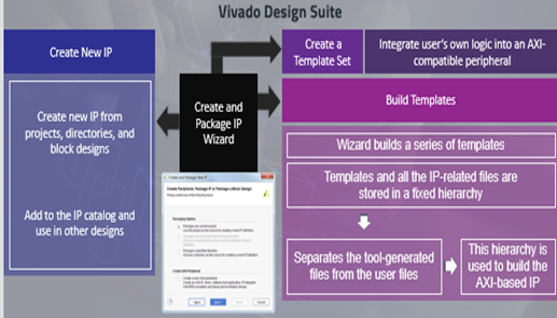
Creating a New AXI IP with the Wizard

Objective: Explains how to use the Create and Import Wizard to create and package an AXI IP.

  • Use the Create and Package IP Wizard to convert an existing IP into an AXI-compatible form
  • Use the Create and Package IP Wizard to package new IP

AXI: BFM Simulation Using Verification IP

Objective: Describes how to perform BFM simulation using the Verification IP.
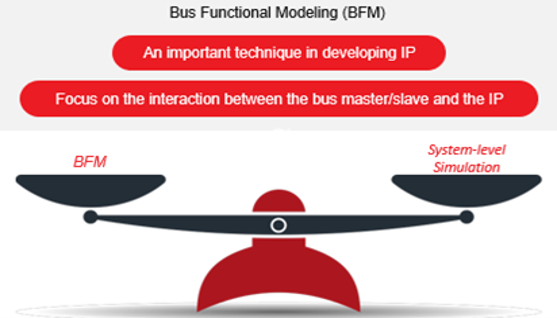
  • Explain what is the importance of BFM
  • Explain how the BFM works
TechSource Systems Pte Ltd

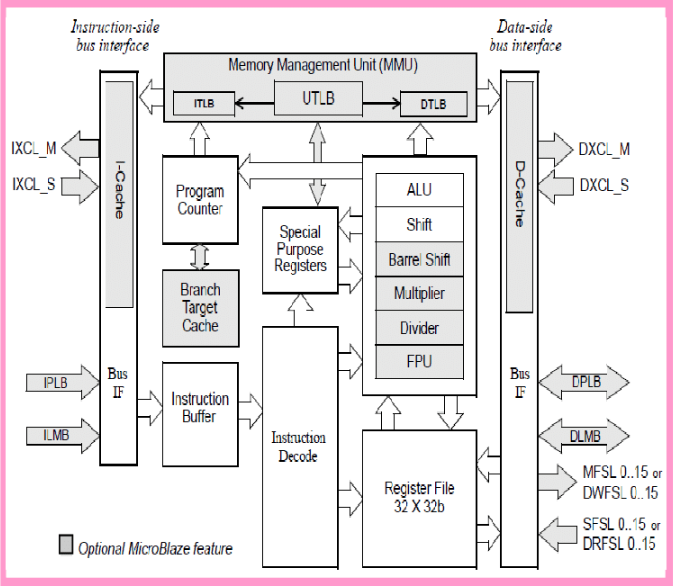
MicroBlaze Processor Architecture Overview

Objective: Overview of the MicroBlaze microprocessor architecture.

  • Enumerate the main components comprising the MicroBlaze™ processor, including the interrupt vector table, interfaces, and cache structure
  • Describe the common supporting IP used with the MicroBlaze processor pertaining to resets and clocks, the memory subsystems, and debugging

MicroBlaze Processor Block Memory Usage

Objective: Highlights how block RAM can be used with the MicroBlaze processor.
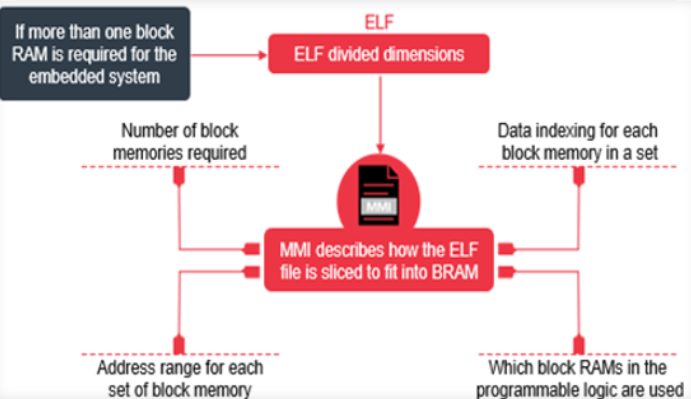
  • Explain how block RAM can be used with the MicroBlaze™ processor
TechSource Systems Pte Ltd

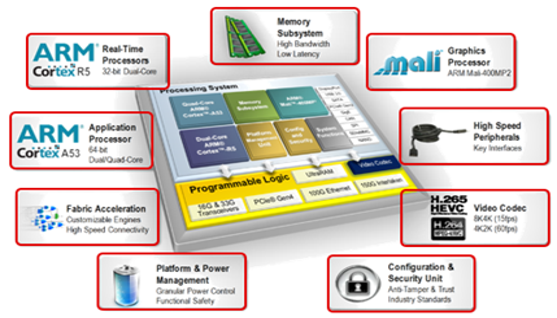
Zynq UltraScale+ MPSoC Architecture Overview

Objective: Overview of the Zynq UltraScale+ MPSoC architecture.

  • Identify the major functional components of the Zynq® UltraScale+™ MPSoC
  • Describe the power management strategy

Overview of Embedded Software Development

Objective: Enumerate some of the under-the-hood tools provided in the Vitis IDE.
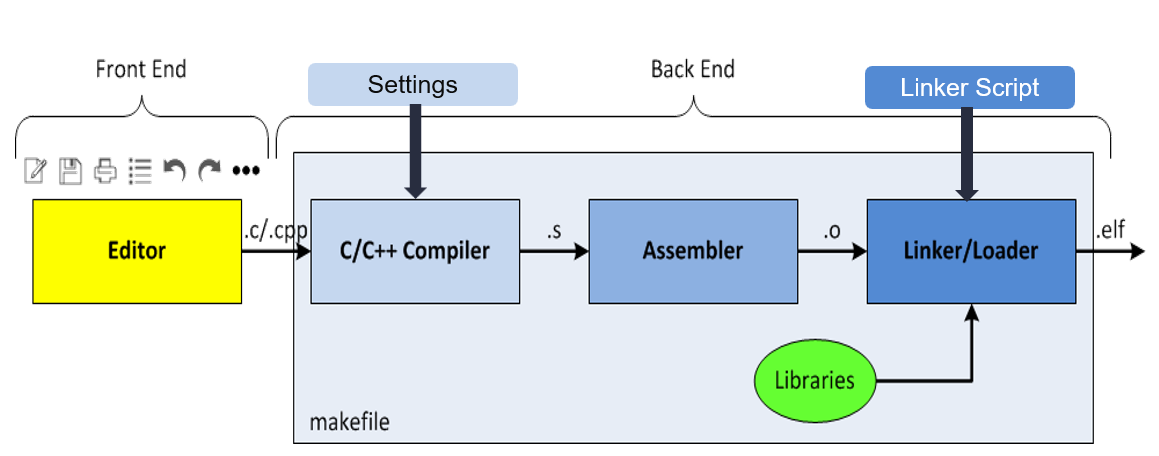
  • Describe the primary software development environment used with AMD devices
  • List some of the Xilinx-provided extensions available in the Vitis™ IDE
  • Enumerate some of the under-the-hood tools provided in the Vitis IDE
TechSource Systems Pte Ltd

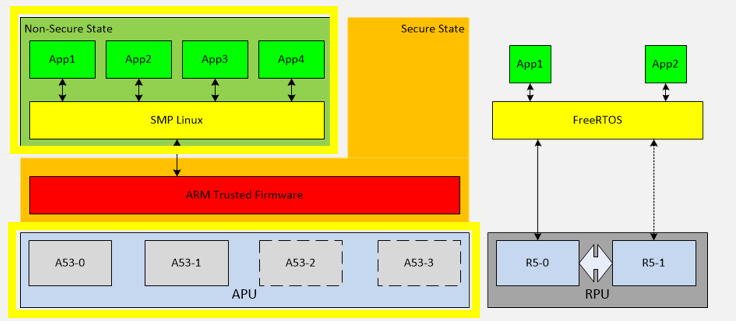
Zynq UltraScale+ MPSoC Software Environments

Objective: Describes the software development environments for Zynq UltraScale+™ MPSoCs.

  • Enumerate critical differences between the Zynq®-7000 and Zynq UltraScale+™ devices
  • Explain the two primary operating modes of the RPU and the standard APU Environment
  • Define system virtualization and how it is realized in the Zynq UltraScale+ devices

Driving the Vitis Software Development Tool

Objective: Introduces the basic behaviors required to drive the Vitis tool to generate a debuggable C/C++ application.
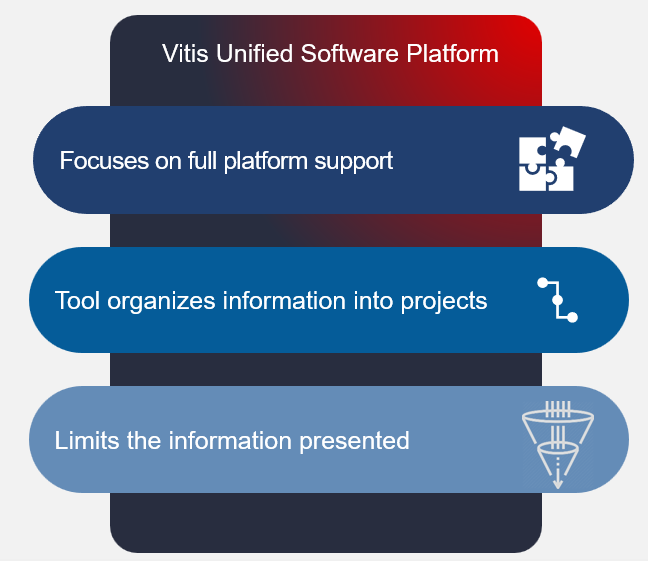
  • Describe the purpose of the Vitis™ integrated design environment (IDE)
  • Enumerate some of the Xilinx extensions provided in the Vitis IDE
  • List the primary capabilities offered in the Vitis IDE
TechSource Systems Pte Ltd

System Debugger

Objective: Describes the basics of actually running a debugger and illustrates the most commonly used debugging commands.
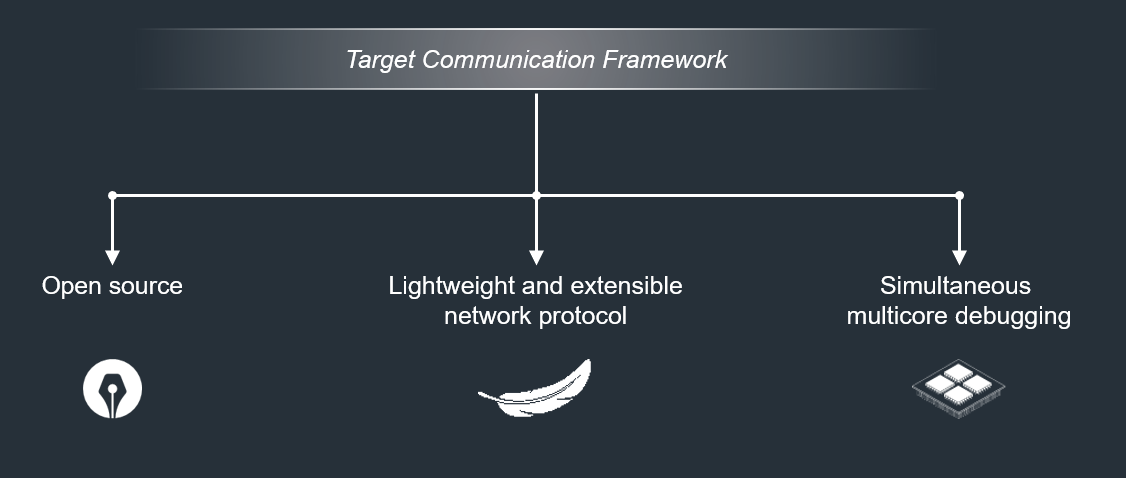
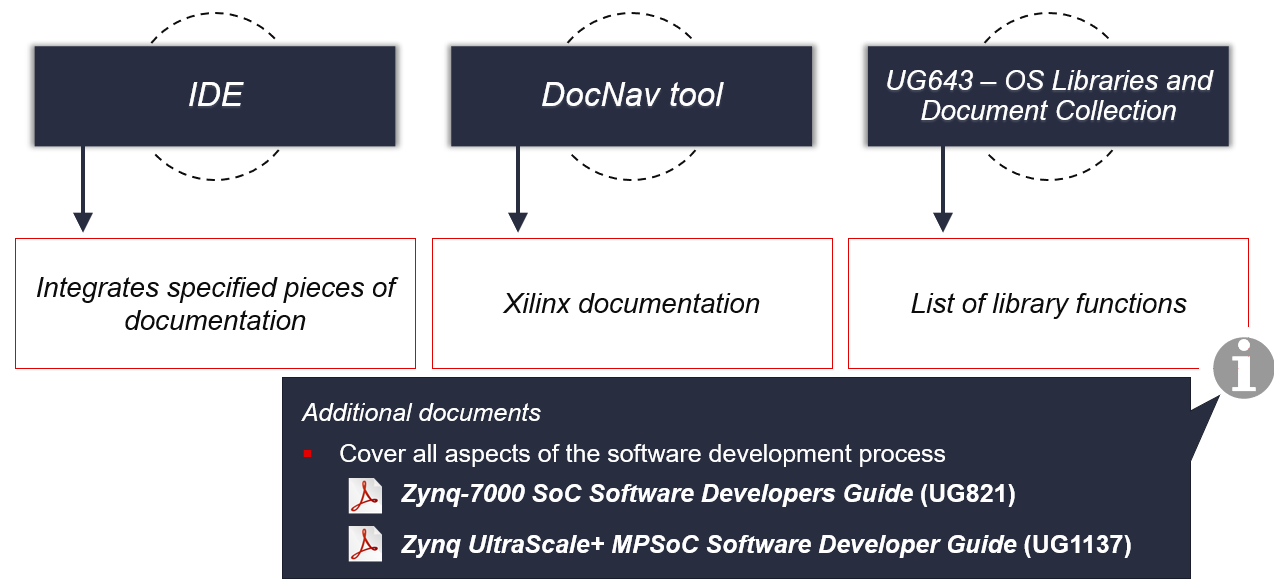
  • Describe the two broad categories of debugger commands: execution control and memory access
  • Enumerate the most popular operations employed by the debugger
TechSource Systems Pte Ltd

Standalone Software Platform Development and Coding Support

Objective: Covers the various software components, or layers, supplied by AMD that aid in the creation of low-level software and includes a discussion on drivers, domains, operating systems, and libraries. Also covers the basic services (libraries) available when coding in the Standalone environment.

  • Identify C coding support provided in the Xilinx software development environment
  • Enumerate AMD’s low-level libraries and the software layers with which they align
  • Explain the purpose and utility of the board support package and its components

FAT File System for Standalone

Objective: Introduces the FAT file system (FFS) from the Standalone/Bare-metal library. The FFS provides drivers and utilities for effectively converting a region of memory into a file system.
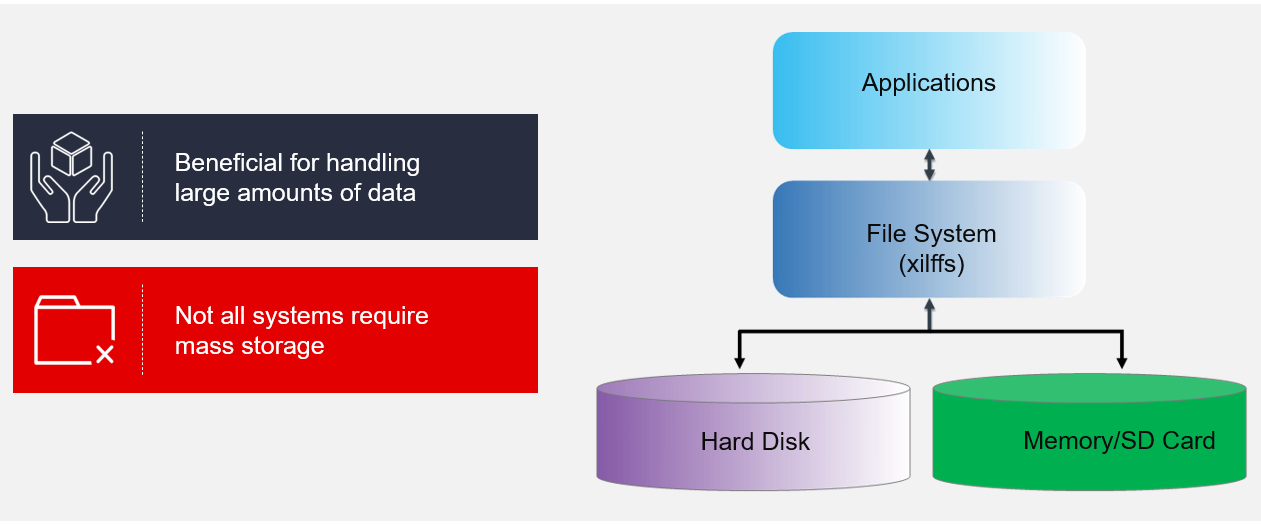
  • Discuss the capabilities of the File Allocation Table File System (FFS)
  • Implement an application using the FFS
TechSource Systems Pte Ltd

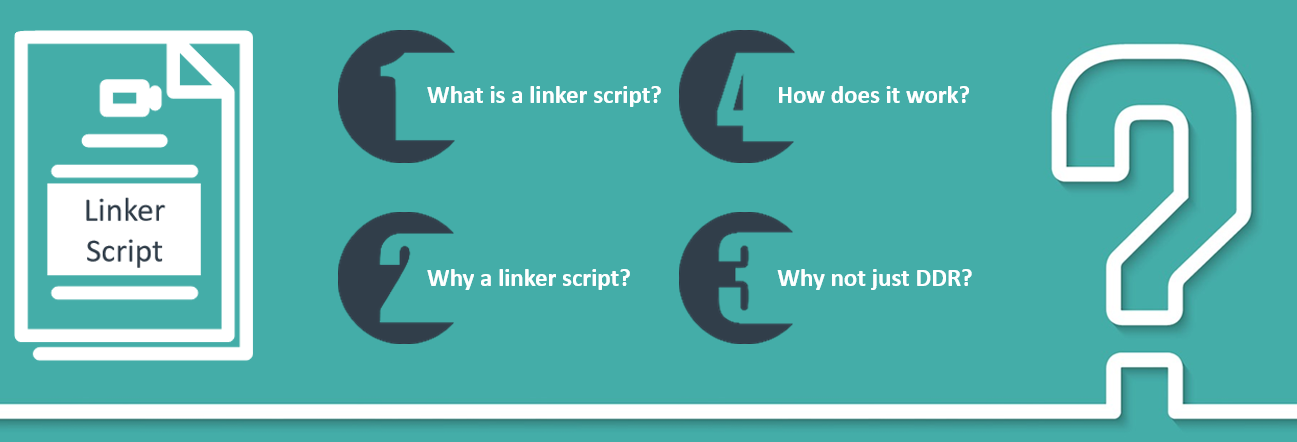
Using Linker Scripts

Objective: Overview of the purpose and typical use of a linker script.

  • Describe the behavior of a linker script
  • Build or customize a linker script

Migrating from SDK to the Vitis Platform

Objective: Overview of migrating existing Xilinx SDK projects to Vitis software development projects.
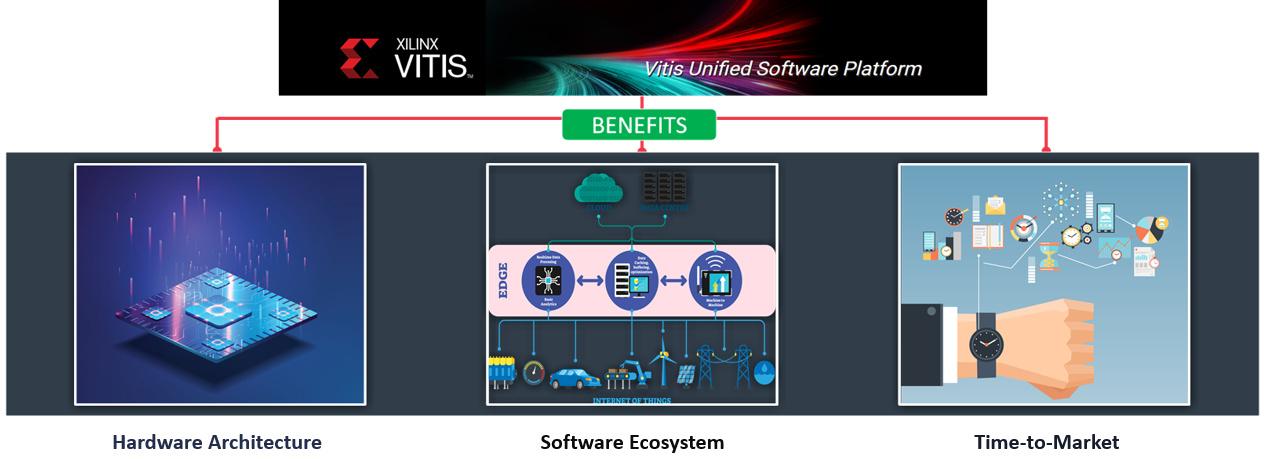
  • Describe the need for the Vitis™ unified software platform
  • Explain the differences between SDK and the Vitis IDE
  • Describe how to migrate from SDK to the Vitis IDE
TechSource Systems Pte Ltd

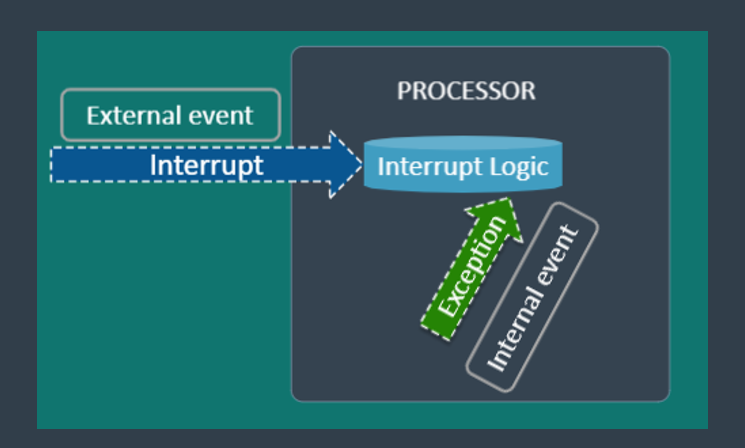
Introduction to Interrupts

Objective: Introduces the concept of interrupts, basic terminology, and generic implementation.

  • Describe the basic behavior of an interrupt-driven system
  • Explain the difference between an interrupt and an exception

Software Interrupts: Writing

Objective: Describes many of the considerations that a software coder must take into account when supporting interrupts.
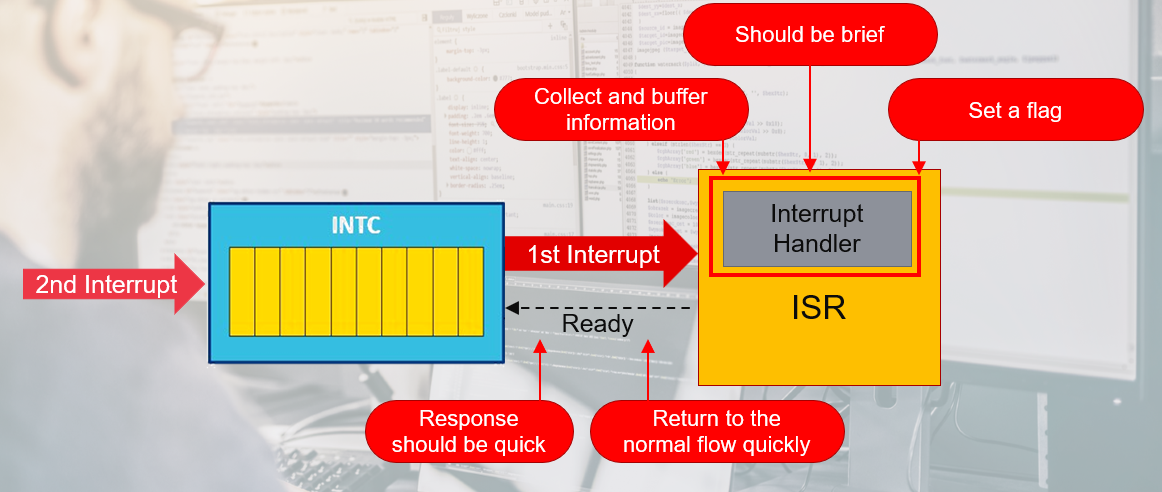
  • Describe common issues arising from interrupts
  • Explain what an interrupt service routine must do
  • Write a proper ISR
TechSource Systems Pte Ltd

RF-ADC-Hardware

Objective: Covers the basics of RF-ADCs. Reviews RF-ADC architecture, functionality, interfaces, configuration, and driver support.
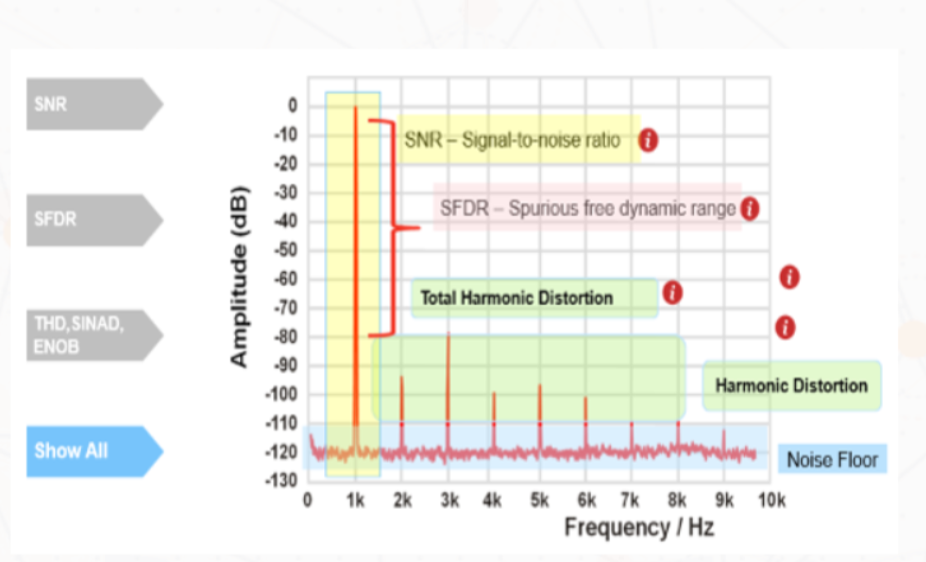
  • Basics of ADCs
  • Architecture
  • Creating an ADC System in IP Integrator
  • Interfaces
  • Functionality
  • IP Configuration
  • Software Driver Overview
TechSource Systems Pte Ltd

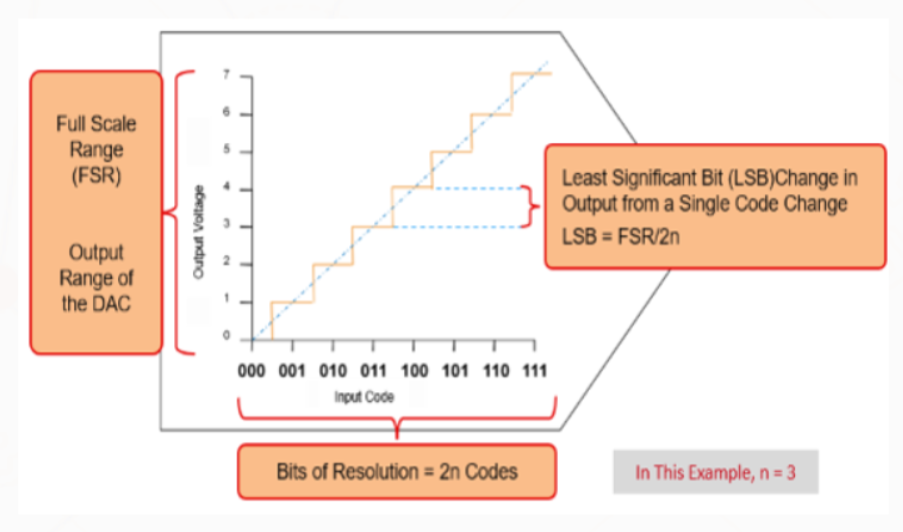
RF-DAC-Hardware

Objective: Covers the basics of RF-DACs. Reviews RF-DAC architecture, functionality, interfaces, configuration, and driver support.

  • Basics of DACs
  • Architecture
  • Creating an DAC System in IP Integrator
  • Interfaces
  • Functionality
  • IP Configuration
  • Software Driver Overview
QUICK ENQUIRY