Infinity FPGA Resource Through Dynamic Reconfiguration

Learn how to construct, implement, and download a Dynamic Function eXchange (DFX) FPGA design using the Vivado™ Design Suite. This course covers both the tool flow and mechanics of successfully creating a DFX design.

TechSource Systems Pte Ltd

Course
Highlights

This two-day provides experience with:

  • Identifying best design practices and understanding the subtleties of the DFX design flow
  • Using DFX in the AMD FPGAs and adaptive SoCs
  • Using the DFX Controller and DFX Decoupler IP in the DFX process
  • Implementing DFX in an embedded system environment
  • Applying appropriate debugging techniques on DFX designs
  • Employing best practice coding styles for a DFX system

Hands-on Project allows you to test your knowledge and apply your skills immediately. No documentation, no labs instructions, you will face the real challenge to do a full FPGA design flow project with the guidance of our instructor

TechSource Systems Pte Ltd

Who Should
Attend

Digital designers who have a working knowledge of HDL (VHDL or Verilog) and digital design and who want to implement Dynamic Function eXchange techniques.

TechSource Systems Pte Ltd

Course
Prerequisites

  • Knowledge of VHDL or Verilog
  • Experience with the Vivado Design Suite
  • Moderate familiarity with digital design techniques
  • Experience with Tcl
  • Moderate familiarity with the project mode and non-project batch mode flow in the Vivado Design Suite
  • Designing with the Versal Adaptive SoC: Quick Start
TechSource Systems Pte Ltd

Course
Benefits

After completing this comprehensive training, you will have the necessary skills to:

  • Describe what Dynamic Function eXchange is
  • Define DFX regions and reconfigurable modules with the Vivado Design Suite
  • Generate the appropriate full and partial bitstreams for a DFX design
  • Use DFX feature for the Versal devices
  • Implement a nested DFX design
  • Enable the Abstract Shell feature in project mode
  • Use the ICAP and PCAP components to deliver partially reconfigurable systems
  • Implement a DFX system using the DFX Controller IP
  • Use the block design container feature of the Vivado IP integrator to create a DFX design
  • Identify how Dynamic Function eXchange affects various silicon resources, including block RAM, IOBs, fabric, and MGTs
  • Implement a Dynamic Function eXchange system using the following techniques:
    ▪ Direct JTAG connection, floorplanning, and timing constraints and analysis
  • Debug a DFX design using the Vivado Design Suite
  • Implement a DFX system in an embedded environment using the Vitis Unified IDE

Partners

TechSource Systems Pte Ltd

TechSource Systems is MathWorks Authorised Reseller and Training Partner

Upcoming Program

  • Please keep me posted on the next schedule
  • Please contact me to arrange customized/ in-house training

Course Outline

Basics of DFX

  • Introduction to Dynamic Function eXchange (DFX)
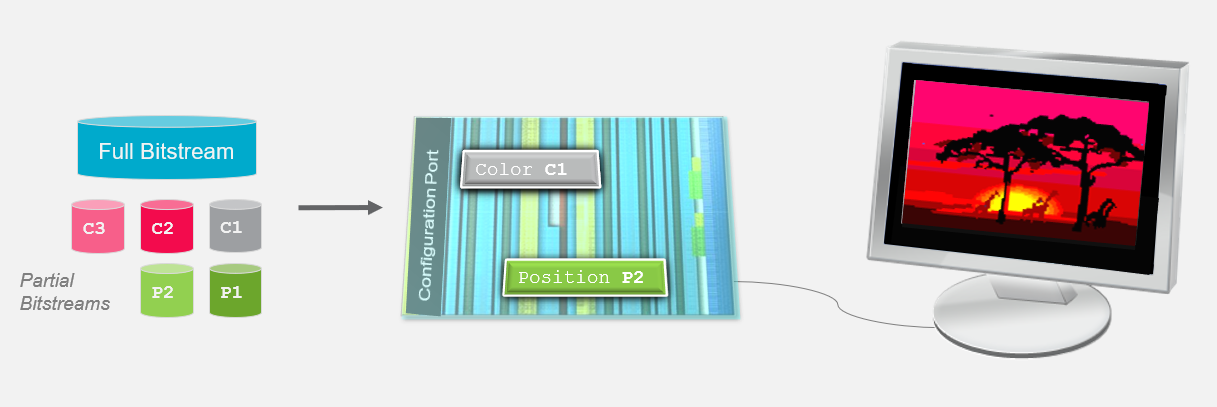
    Explains what a Dynamic Function eXchange is and defines the terminologies used in DFX. Also provides an overview of the configuration and reconfiguration processes.
TechSource Systems Pte Ltd

DFX Tool Flow

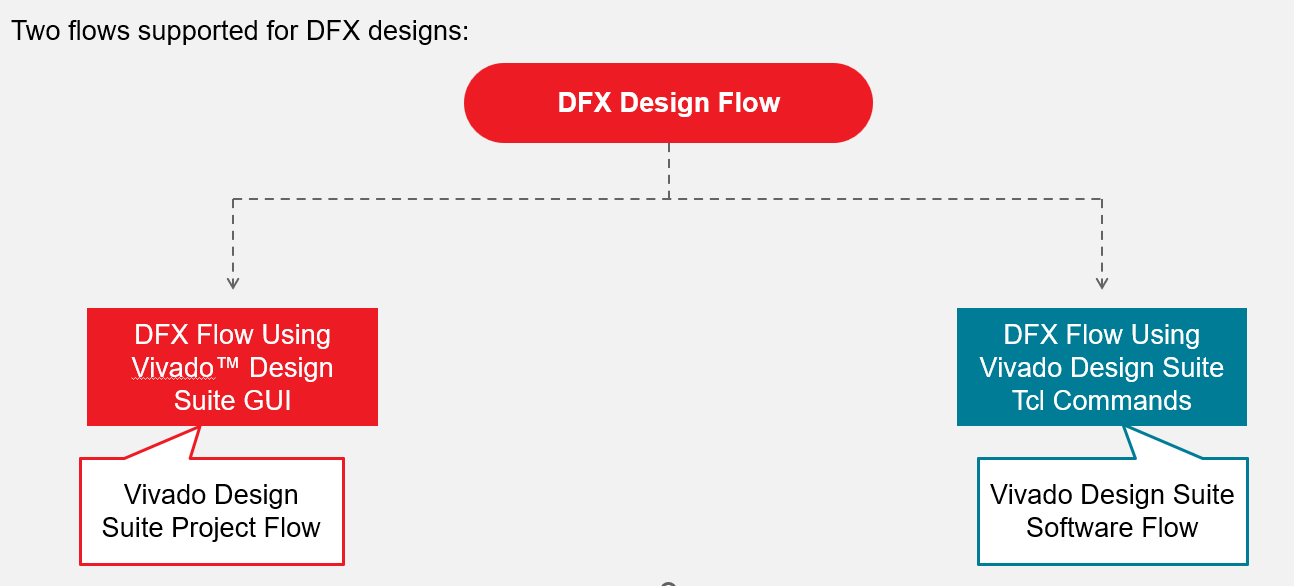
  • DFX Flow Using the Vivado Design Suite GUI
    Illustrates the steps for creating a DFX project in the Vivado Design Suite and describes various supported and unsupported features.
  • DFX Flow Using the Vivado Design Suite Tcl Commands
    Reviews the flow using non-project-based commands, including using implementation constraints and specific characteristics.
  • DFX for the Versal Architecture
    Describes the DFX feature for the Versal devices, explains the DFX for Network on Chip (NoC), and illustrates the NoC topologies supported in the DFX design flow.
  • Nested DFXRTL-to-bitstream design flow
    Describes using nested DFX, the process by which a Reconfigurable Partition (RP) can be segmented into smaller regions, each of which is partially reconfigurable.
  • Abstract Shell for Dynamic Function eXchange
    Describes how compilation time can be reduced by using an Abstract Shell.

DFX Design Considerations for AMD Devices

  • DFX Design Considerations for All AMD Devices
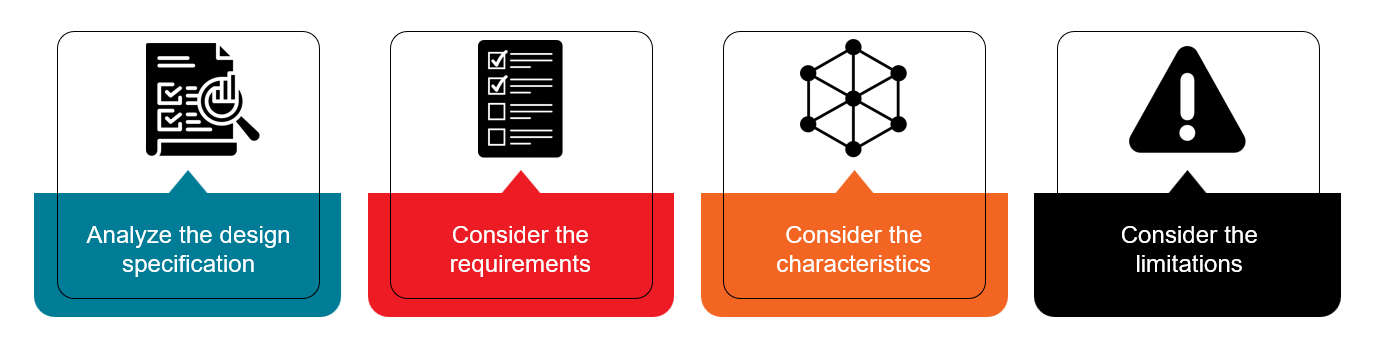
    Covers the requirements, characteristics, and limitations associated with the DFX designs that can simplify the debug process and reduce the risk of design malfunctions.
  • DFX Design Considerations for 7 Series, Zynq SoC, UltraScale, and UltraScale+ Devices
    Discusses the DFX design consideration methodologies for various AMD device families.
  • DFX Design Considerations for Versal Devices
    Describes the DFX design requirements that are specific to the Versal devices.
TechSource Systems Pte Ltd

DFX Design-Specific IP Blocks

  • DFX Intellectual Property (IP)
    Reviews the various IPs that are specifically for use with the DFX designs.
  • DFX Block Design Containers in IP Integrator
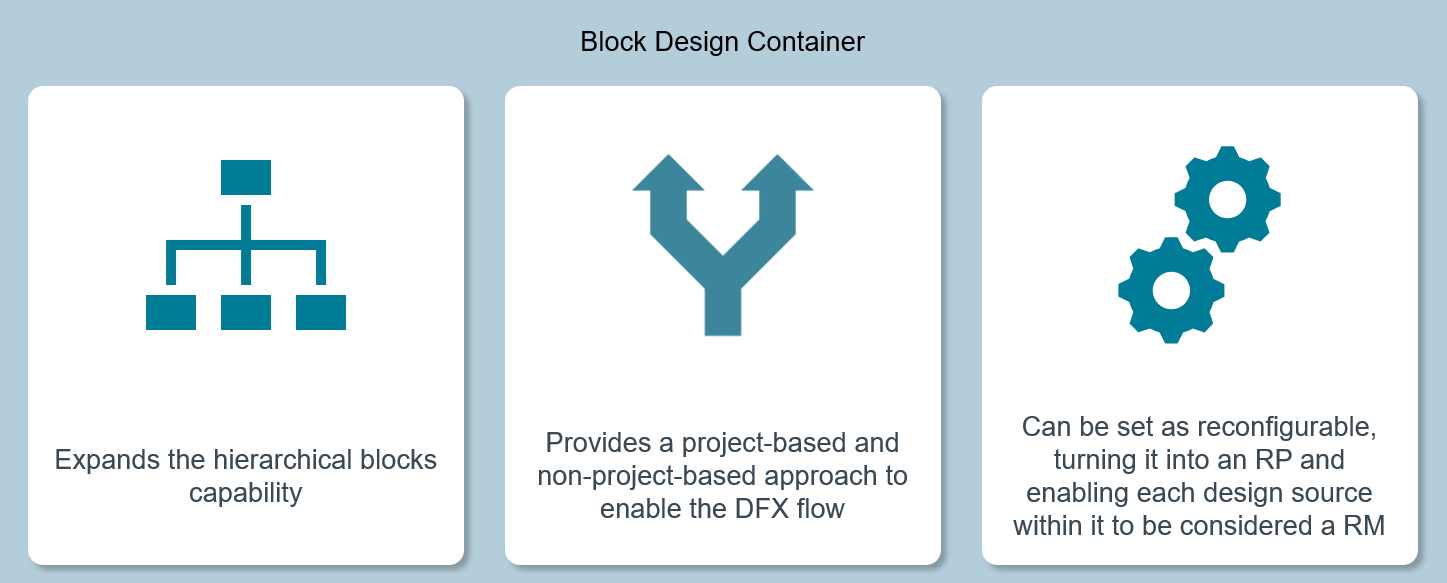
    Describes the block design container feature and how BDCs enable DFX.

DFX Configuration

  • Configuring Devices Using DFX(IP)
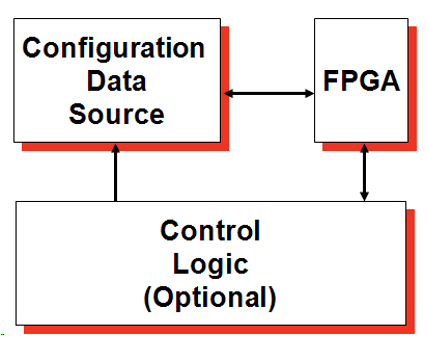
    Reviews the basics of configuration and various configuration modes.
  • Configuration Parameters
    Covers various configuration parameters, including factors that affect configuration time and configuration debugging.
  • DFX Bitstreams and PDIs(IP)
    Describes the different types of bitstreams for the DFX compilation, including full, partial, blanking, and clearing. Also explains partial programmable device image (PDI) for the Versal™ devices.
  • DFX Bitstream Integrity
    Describes partial bit file integrity and implementing a DFX through the ICAP for the FPGA devices.
TechSource Systems Pte Ltd

DFX Design Analysis and Debugging

  • Floorplanning a DFX Design
    Demonstrates how to create Pblocks for various devices and how to create a floorplan for a reconfigurable region.
  • Floorplanning for Versal Devices
    Illustrates floorplanning methodologies for Versal devices and explains challenges in the Versal floorplanning.
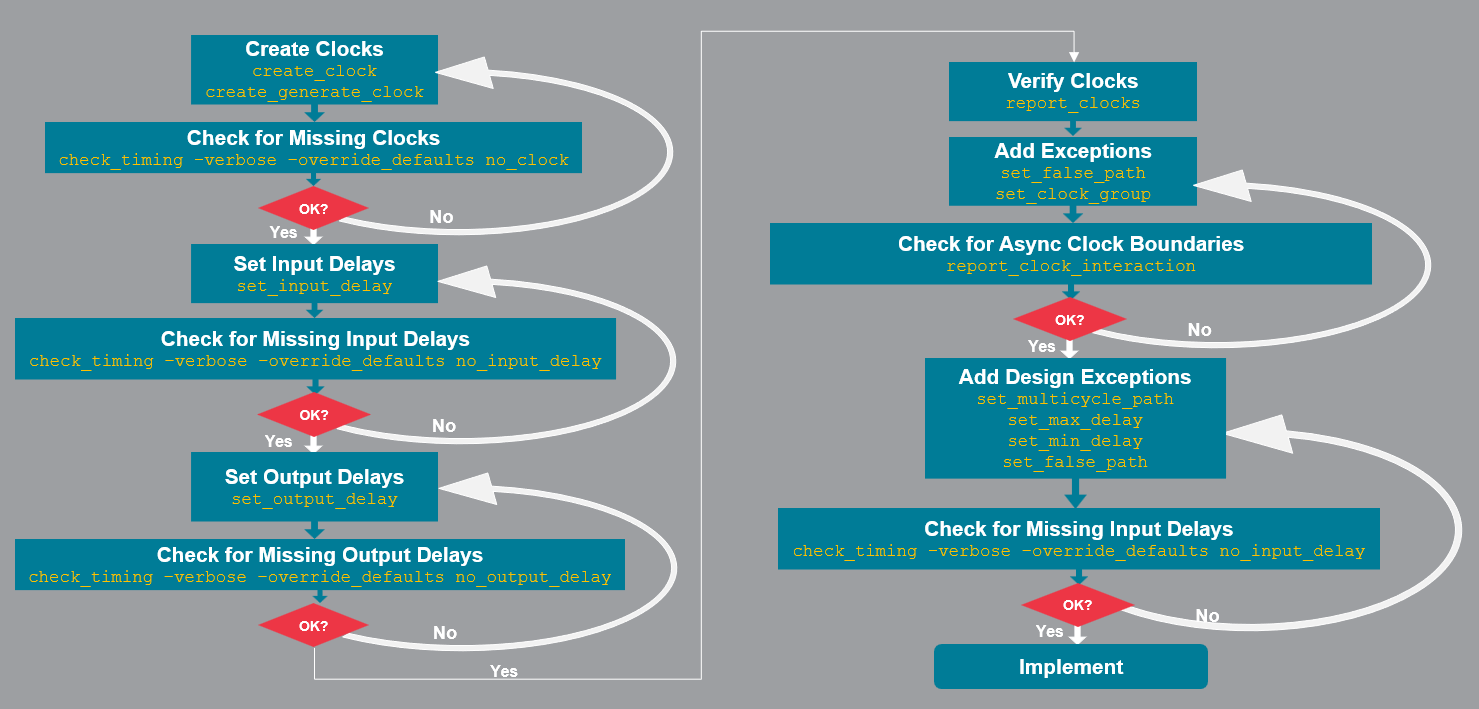
  • DFX Timing Analysis and Constraints
    Illustrates how and when to apply different constraint files, the process of performing a DFX timing-level simulation, and the process of performing static timing analysis on a DFX design.
  • DFX Debugging
    Illustrates the DFX debugging techniques using the Vivado Design Suite debug cores.

DFX Designs in Embedded Systems

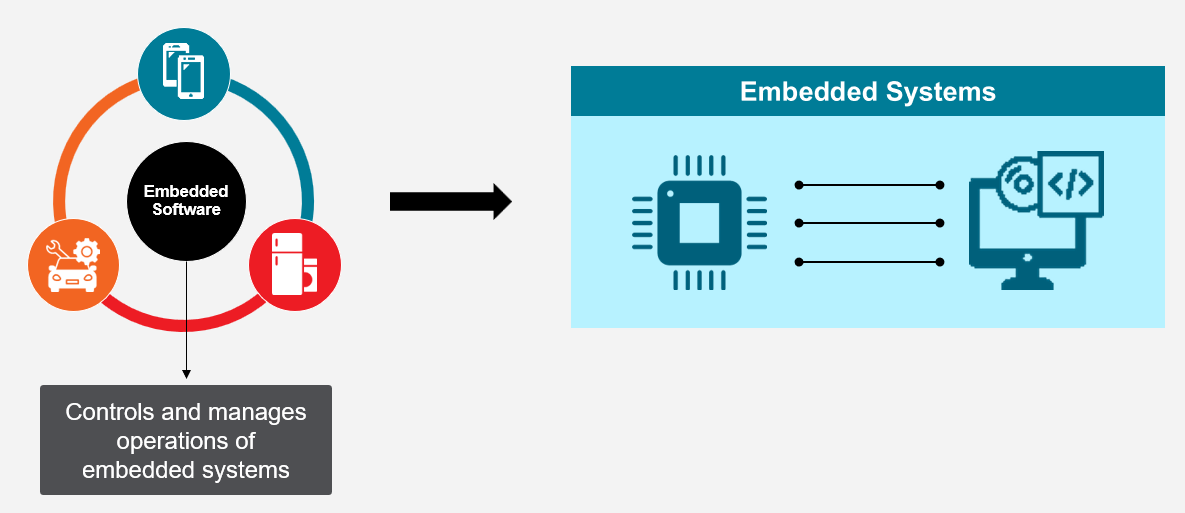
  • DFX in Embedded Systems
    Describes the embedded design flow in the Vivado Design Suite, the advantages of using a processor with a DFX, and how to connect a processor to the PCAP to control a DFX using the Vitis Unified IDE.
  • DFX Designs Using the PCIe Core
    Reviews the advantages of using a PCIe core in a DFX design.
TechSource Systems Pte Ltd
QUICK ENQUIRY