 EN
EN  TH
TH  VI
VI 


Apply deep learning to controls and decision-making applications
Deep reinforcement learning is a branch of machine learning that enables you to implement controllers and decision-making algorithms for complex applications such as robots and autonomous systems. Deep reinforcement learning lets you train neural networks to learn complex behaviors using data generated dynamically from simulated or physical systems. Using MATLAB, Simulink, and Reinforcement Learning Toolbox, you can run through the complete workflow for designing and deploying a deep reinforcement learning system.You can:
- Switch, evaluate, and compare popular deep reinforcement learning algorithms
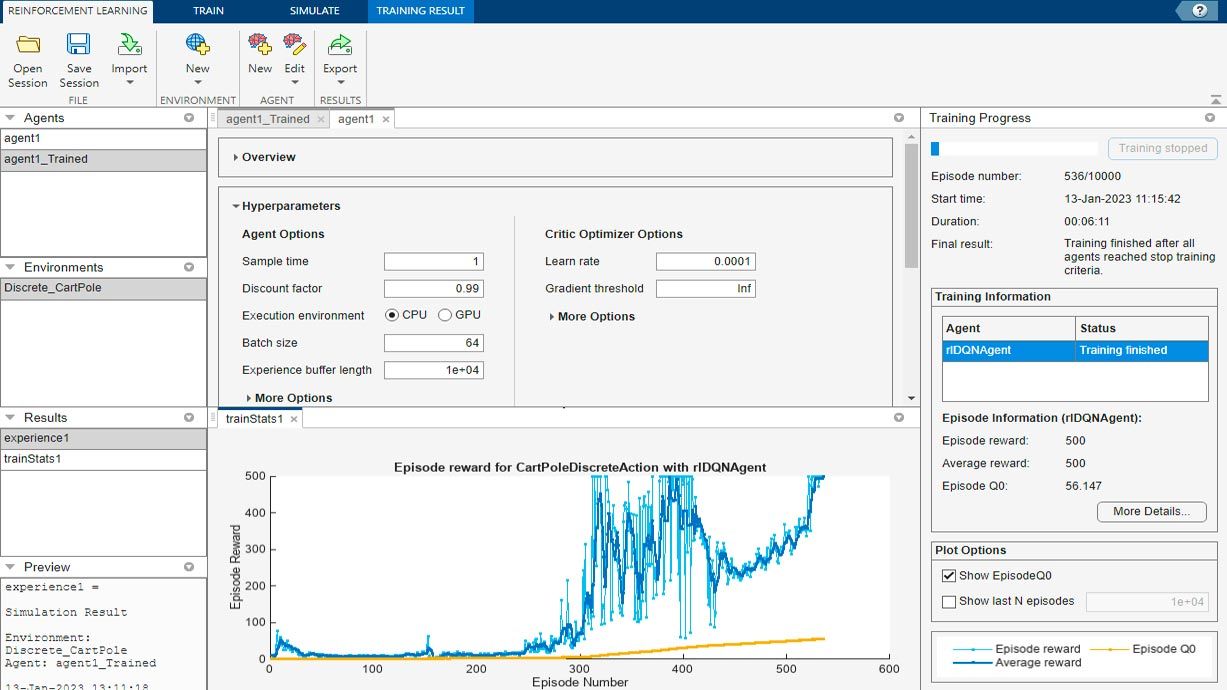
- Train policies interactively with the Reinforcement Learning Designer app
- Model the training environment in MATLAB and Simulink to reduce risk of damaging your hardware
- Use neural networks to create deep reinforcement learning policies interactively or programmatically
- Deploy deep reinforcement learning policies to embedded devices or the cloud
Why Use MATLAB and Simulink for Deep Reinforcement Learning?
|
| |
Visual Interactive Workflow with Reinforcement Learning Designer | Training, System-Level Testing, and Deployment with Model-Based Design | |
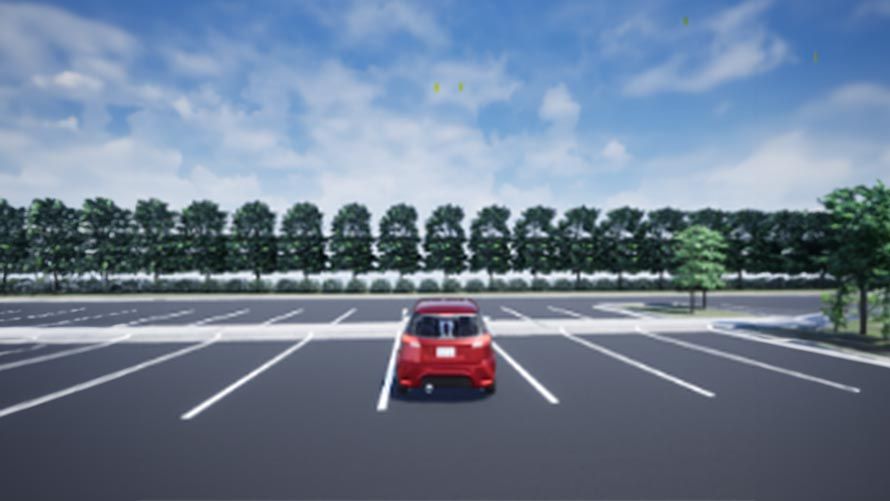
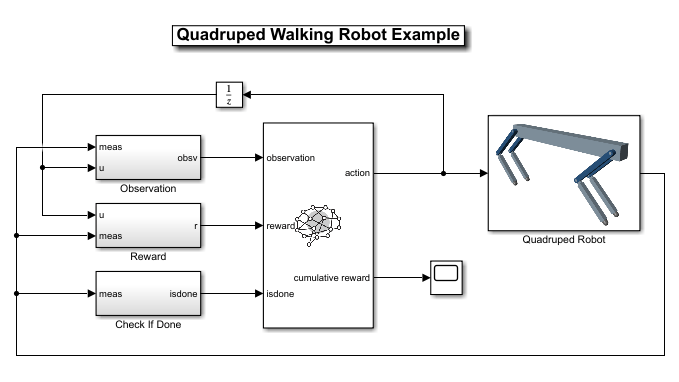
| Create, train, and simulate deep reinforcement learning agents interactively with the Reinforcement Learning Designer app. Take advantage of automated guidance for selecting the appropriate agent type. Select from popular deep reinforcement learning algorithms provided out of the box, such as deep deterministic policy gradient (DDPG), soft actor critic (SAC), and proximal policy optimization (PPO). | Model the training environment in Simulink (or MATLAB) to reduce the risk of damaging your hardware. Seamlessly integrate environment models with deep reinforcement learning agents using the RL Agent block. Train policies in series or in parallel and verify them through (system-level) simulations and software-in-the-loop (SIL)/hardware-in-the-loop (HIL) tests. Deploy trained policies to embedded devices or the cloud. | |
 |  | |
Automated and Interactive Creation of Neural Network Policies | Examples and Reference Applications | |
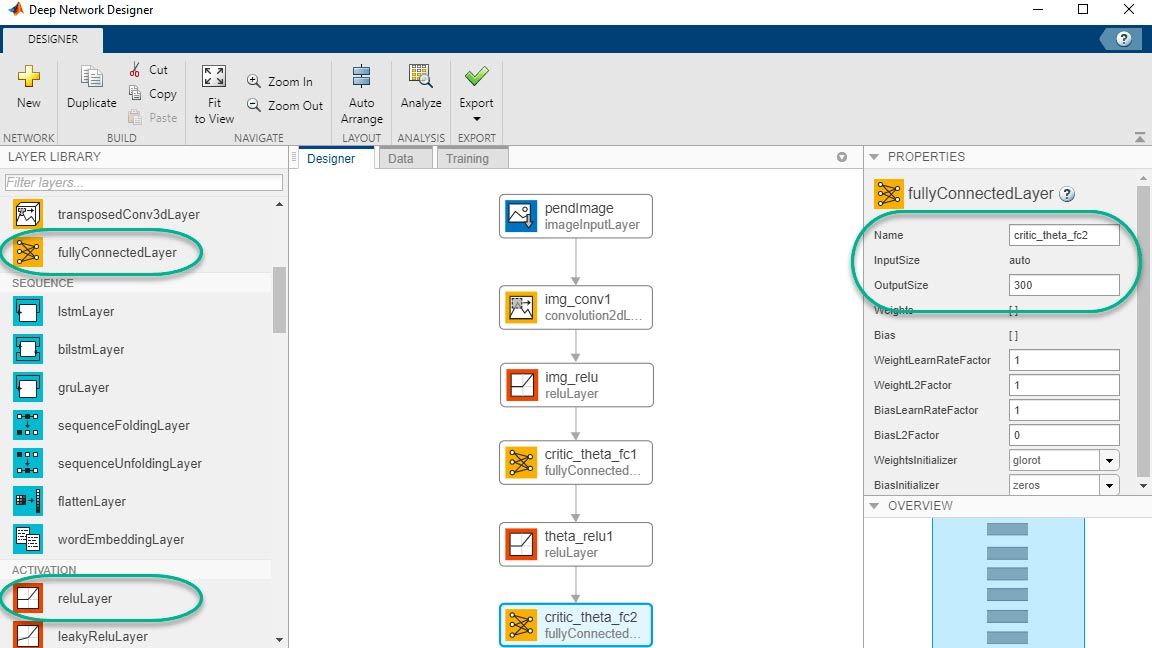
Use problem-specific, auto-generated neural network architectures to create deep reinforcement learning agents without being an expert in designing neural network policies. Use the suggested neural network architecture as is, or fine-tune it with the Deep Network Designer app (interactive approach) or layers from Deep Learning Toolbox (programmatic approach). Apply import and export capabilities to interoperate with neural networks representations in third-party frameworks. | Get started with deep reinforcement learning by designing controllers and decision-making algorithms for robotics, automated driving, calibration, scheduling, and other applications. Consult our reference examples and experiment with single- and multi-agent training, online and offline learning, model-free and model-based methods, as well as gradient-based and evolutionary learning strategies. |
Products
Learn about the products used with Deep Reinforcement Learning.
- Reinforcement Learning Toolbox
- Deep Learning Toolbox
- Parallel Computing Toolbox
- Simulink
- Simscape