 EN
EN  TH
TH  VI
VI 


Build and deploy AI systems
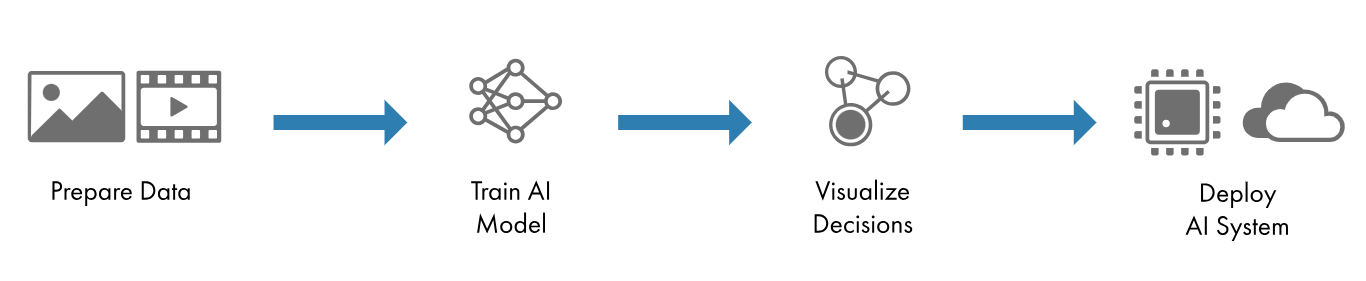
Apply deep learning techniques to achieve the latest results in computer vision tasks, such as object detection, semantic segmentation, and image and video classification. MATLAB can support your entire workflow for building computer vision systems with deep learning, from data preparation to deployment.
Why MATLAB?
Apps for Signal Processing and Labeling | AI Models | |
| Use low-code apps to improve data quality through exploration, analysis, preprocessing, and automatic labeling of the ground truth. | Create AI models with machine learning and deep learning algorithms or use pretrained models. | |
Feature Extraction | Deploy AI-Powered Systems | |
| Engineer features from signals using feature extraction (pca, wavelet scattering) or time-frequency transformations (spectrogram, wavelet transform). | Simulate and deploy your domain-specific AI systems to embedded hardware, enterprise systems, or the cloud. |
Using Deep Learning for Computer Vision with MATLAB
Whether you are new to deep learning for computer vision or designing complex systems, explore these tutorials and examples to advance your skills and help you with your next project.
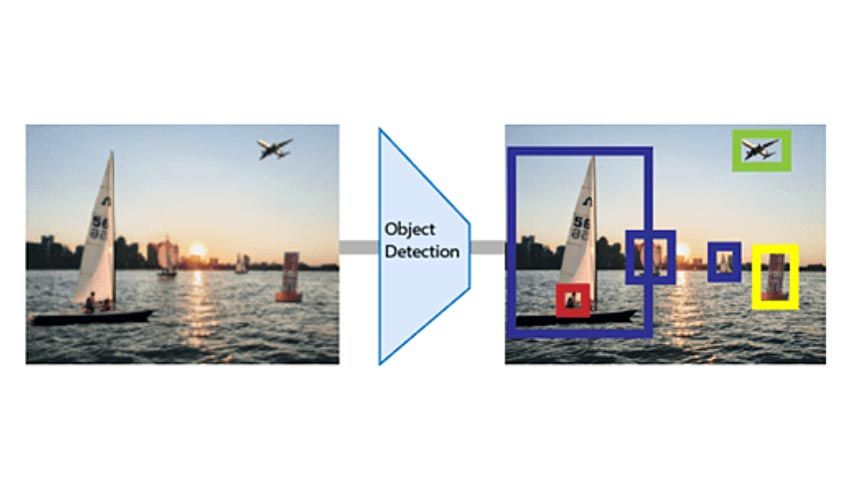 | 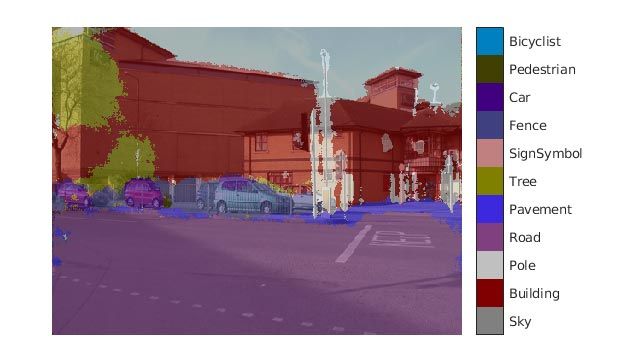 | |
| Using deep learning for object detection in computer vision with MATLAB involves several steps, from data preparation to model training and deployment. MATLAB provides a comprehensive set of tools and functions in its Deep Learning Toolbox to facilitate these tasks. | Performing semantic segmentation using deep learning in MATLAB involves using convolutional neural networks (CNNs) to classify and segment different objects or regions within an image. | |
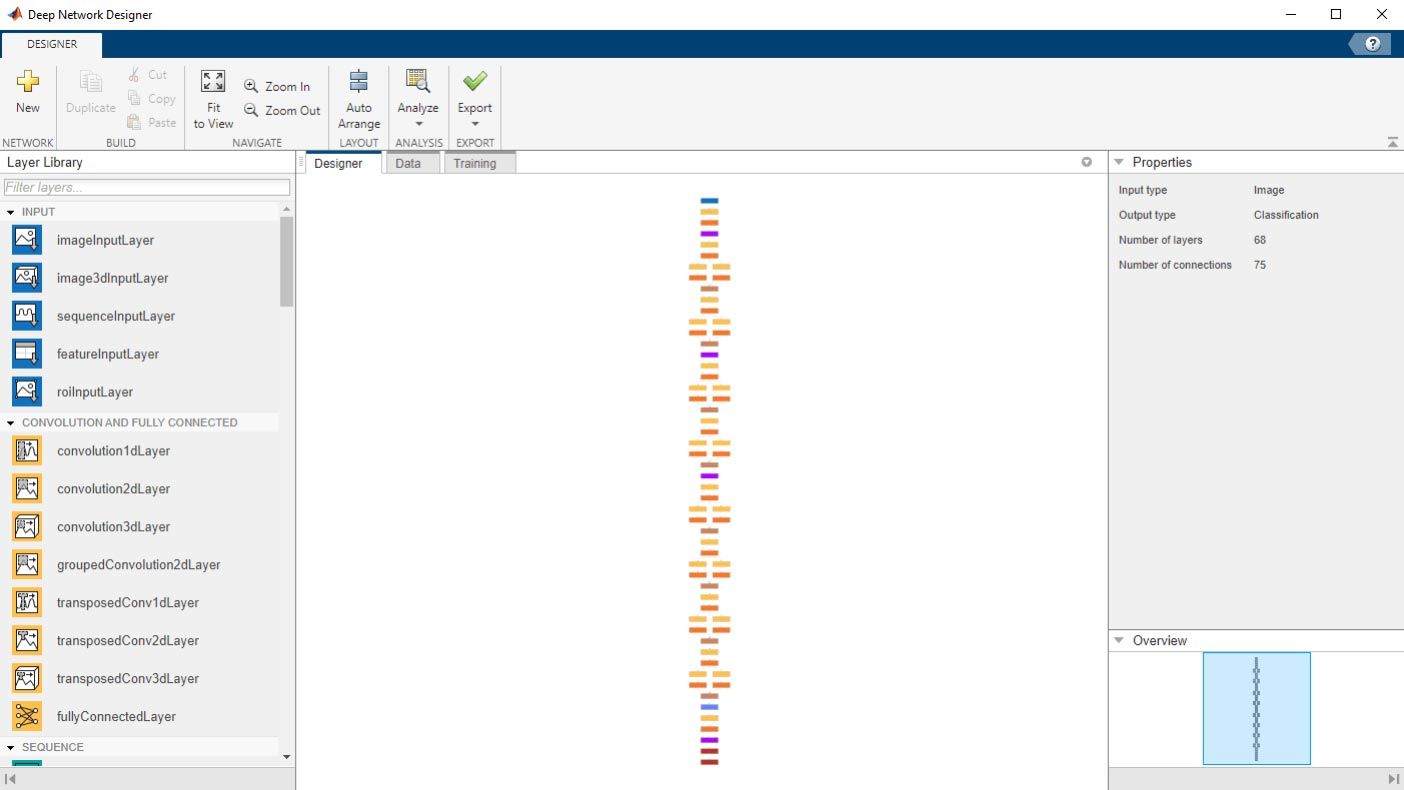 Using deep learning for image and video classification in MATLAB involves several steps, from data preparation to model training and evaluation. | ||
Learn more
 |  | |
[Ebook] Automated Visual Inspection with Deep Learning | [Ebook] Introducing Deep Learning with MATLAB | |
| Automated inspection and defect detection systems use AI to inspect manufacturing parts for failures and defects. This approach enables industries to automatically detect flaws on manufactured surfaces such as metallic rails, semiconductor wafers, and contact lenses. | Deep learning is getting a lot of attention these days, and for good reason. It’s achieving unprecedented levels of accuracy—to the point where deep learning algorithms can outperform humans at classifying images and can beat the world’s best GO player. |
Products
Learn about the products used with AI for computer vision applications.
- Deep Learning Toolbox
- Computer Vision Toolbox
- Image Processing Toolbox