High-Level Synthesis with the Vitis Unified IDE

Enhance productivity using the Vitis Unified IDE

TechSource Systems Pte Ltd

Course
Highlights

This course provides a thorough introduction to the Vitis™ High-Level Synthesis (HLS) using the AMD Vitis™ Unified IDE.
The focus of this course is on:

  • Converting C/C++ designs into RTL implementations
  • Learning HLS component development flow
  • Creating I/O interfaces for designs
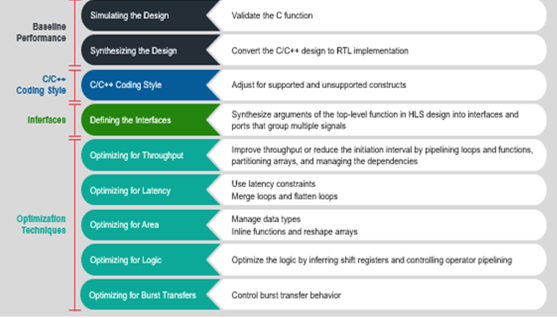
  • Applying different optimization techniques to design
  • improving throughput, area, latency, and logic by using different HLS pragmas/directives
  • Exporting IP that can be used with the Vivado® IP catalog
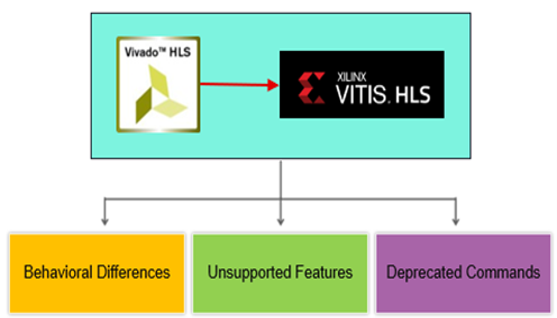
  • Migrating designs from the classic Vitis HLS tool to the Vitis Unified IDE

What’s New for 2023.2

  • Restructured existing Vitis HLS content to align with the HLS component development flow
  • Revamped all labs for compatibility with the Vitis Unified IDE
  • Integrated coverage of the v++ and vitis-run command options
  • Added information on Vitis HLS Code Analyzer and the Dataflow Viewer
  • Added a module dedicated to optimizing AXI system performance
  • Added a module covering Vitis HLS Libraries
  • Added a module and lab for migrating from the classic Vitis HLS tool to the Vitis Unified IDE
TechSource Systems Pte Ltd

Who Should
Attend

Software and hardware engineers looking to utilize high-level synthesis

TechSource Systems Pte Ltd

Course
Prerequisites

  • C or C++ knowledge
  • Basic RTL design flow knowledge
TechSource Systems Pte Ltd

Course
Benefits

After completing this comprehensive training, you will have the
necessary skills to:

  • Enhance productivity by using the AMD Vitis Unified IDE for HLS component development
  • Describe the HLS component development flow
  • Use the Vitis Unified IDE to create an HLS component
  • Identify common coding pitfalls as well as methods for improving RTL/hardware code
  • Use directives/pragmas to improve throughput, area, latency, and logic and to select RTL interfaces
  • Perform system-level integration of IP generated by the Vitis Unified IDE
  • Migrate designs from the classic Vitis HLS tool to the Vitis Unified IDE

Partners

TechSource Systems Pte Ltd

TechSource Systems is MathWorks Authorised Reseller and Training Partner

Upcoming Program

  • Please keep me posted on the next schedule
  • Please contact me to arrange customized/ in-house training

Course Outline

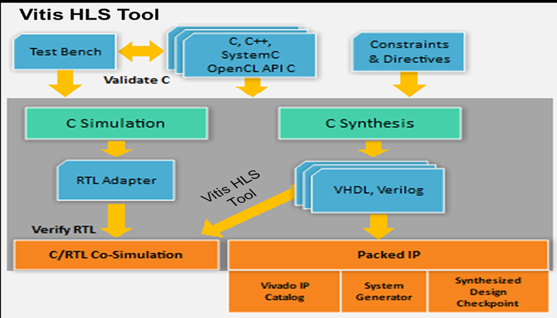
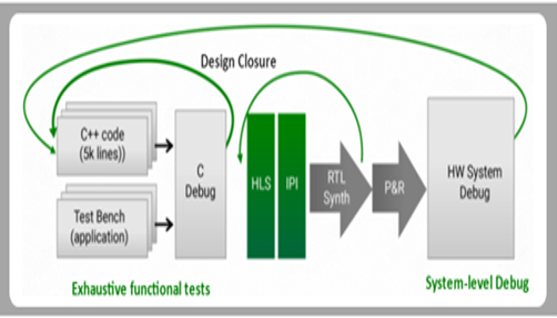
Introduction to High-Level Synthesis

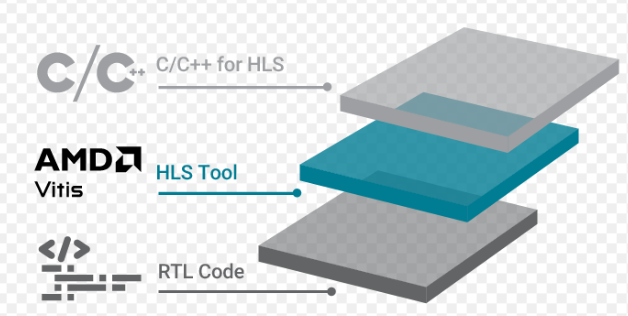
Objective: Provides an overview of high-level synthesis (HLS), the Vitis Unified IDE for HLS flow, and the verification advantage.
TechSource Systems Pte Ltd

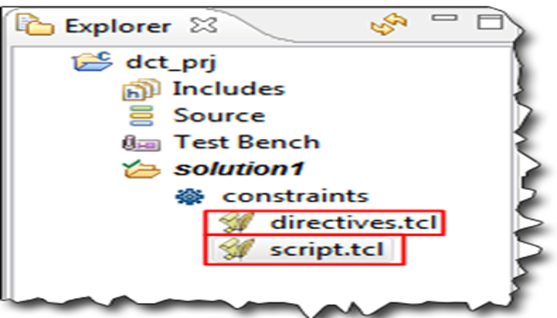
HLS Component Development Flow

Objective: Explores the HLS component development flow in the Vitis Unified IDE.

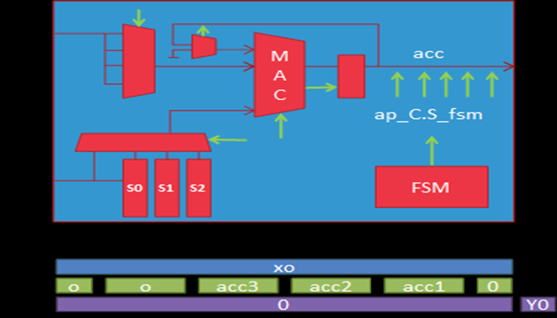
Abstract Parallel Programming Model for HLS

Objective: Describes the structuring of a design at a high level using an abstract parallel programming model.
TechSource Systems Pte Ltd

Design Exploration with Directive

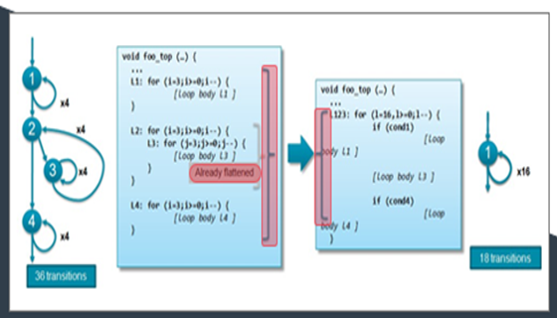
Objective: Explores different optimization techniques that can improve design performance.

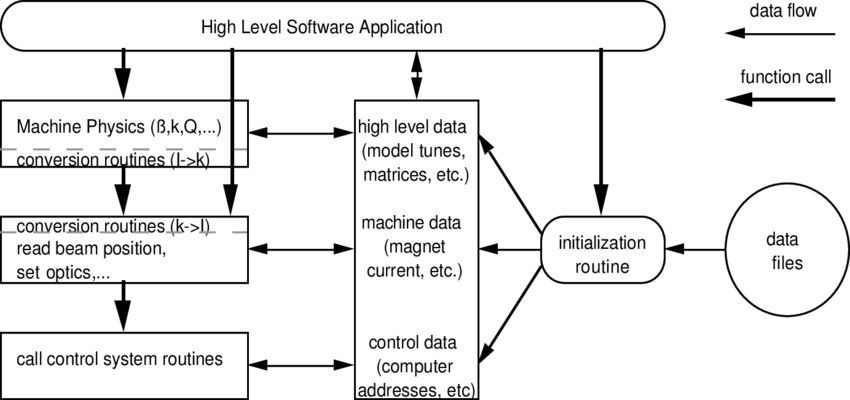
HLS Component Development Using the Command Line

Objective: Describes the unified command line interface and the the v++ and vitis-run commands.
TechSource Systems Pte Ltd

Introduction to Vitis HLS Design Methodology

Objective: Introduce the methodology guidelines covered in this course and the HLS Design Methodology steps.

Introduction to I/O Interfaces

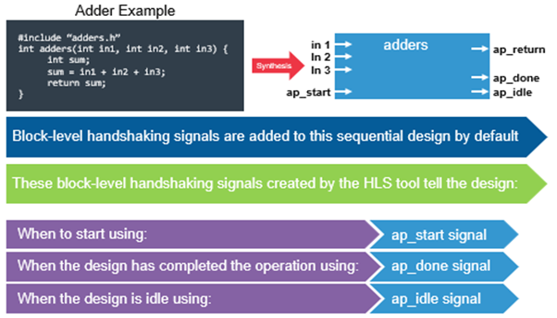
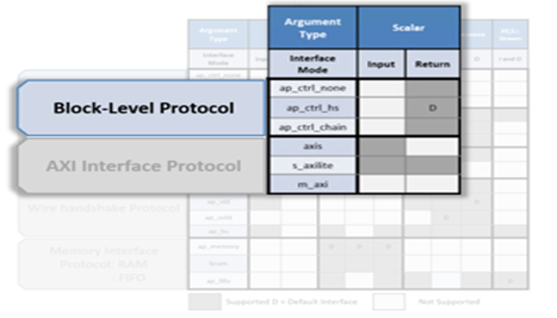
Objective: Explain interfaces such as the block-level and port-level protocols abstracted by the Vitis HLS from a C design.
TechSource Systems Pte Ltd

Block-Level Protocols

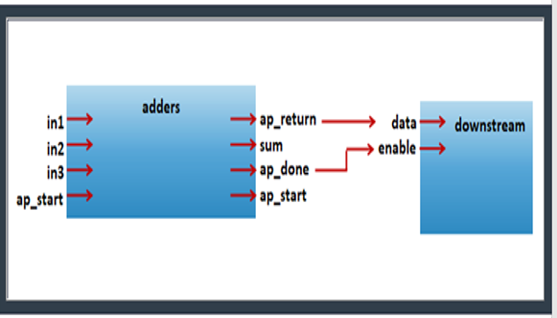
Objective: Explain the different types of block-level protocols abstracted by the Vitis HLS.

Port-Level I/O Protocols

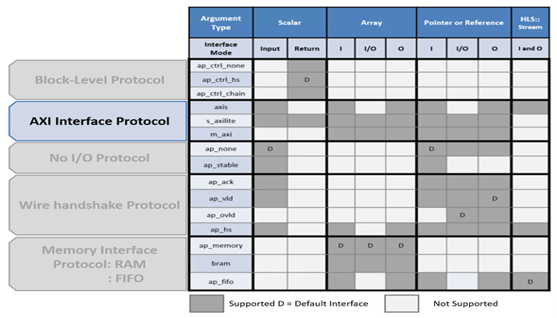
Objective: Describe the port-level interface protocols abstracted by the Vitis HLS from the C design.
TechSource Systems Pte Ltd

AXI Adapter Interface Protocols

Objective: Explain the different AXI interfaces (such as AXI4-Master, AXI4-Lite (Slave), and AXI4-Stream) supported by the Vitis HLS.

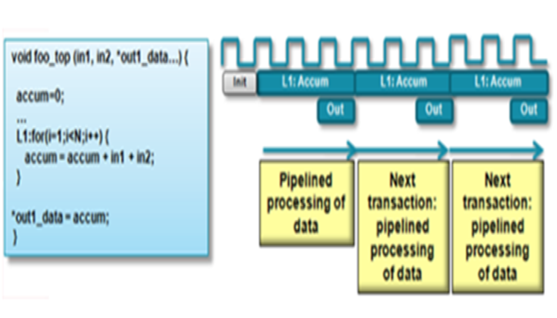
Pipeline for Performance: PIPELINE

Objective: Describe the PIPELINE directive for improving the throughput of a design.
TechSource Systems Pte Ltd

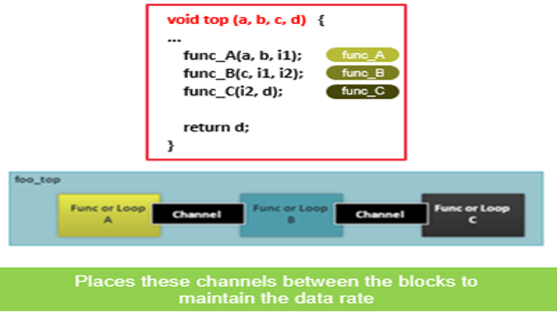
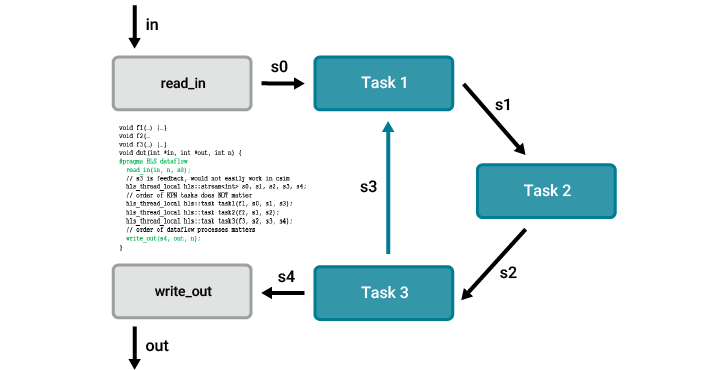
Optimizing for Performance: DATAFLOW

Objective: Describe the DATAFLOW directive for improving the throughput of a design by pipelining the functions to execute as soon as possible.
TechSource Systems Pte Ltd

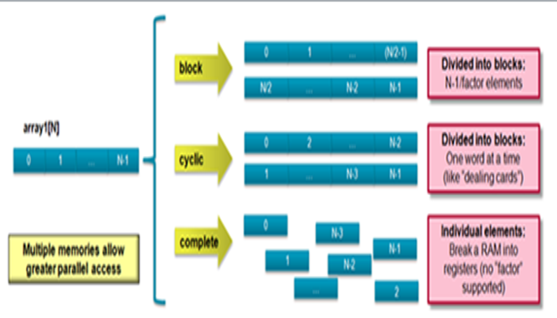
Optimizing for Throughput

Objective: Describles the performance limitations caused by arrays in your design. Also explore optimization techniques to handle arrays for improving performance.

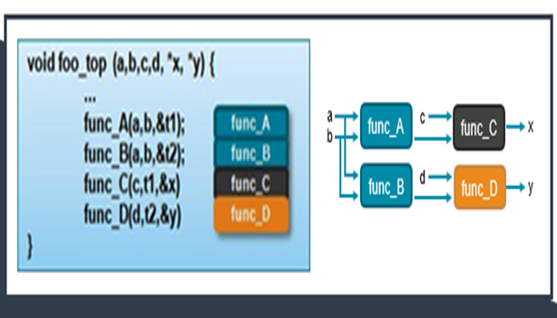
Optimizing for Latency: Default Behavior

Objective: Describe the default behavior of the Vitis HLS on latency and throughput.
TechSource Systems Pte Ltd

Optimizing for Latency: Reducing Latency

Objective: Describes how to optimize the C design to improve latency.

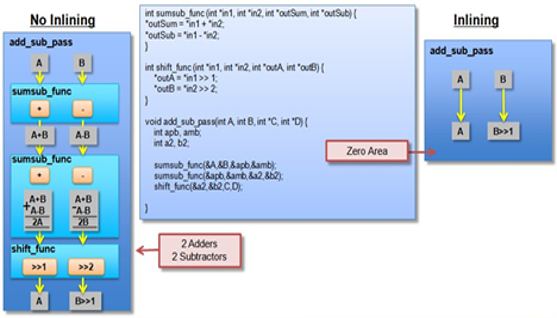
Optimizing for Area and Logic

Objective: Describe different methods for improving resource utilization and explains how some of the directives have impact on the area utilization.

TechSource Systems Pte Ltd

Optimizing AXI System Performance

Objective: Describes AXI burst transfers and their types. Also outlines the optimization steps to improve system performance.

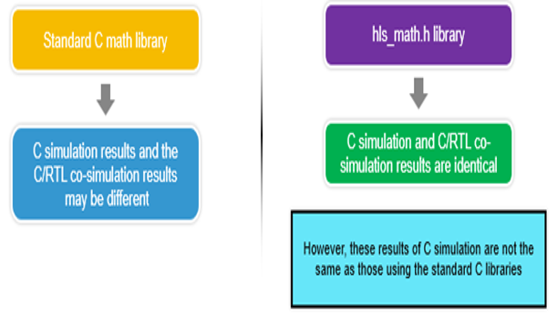
Vitis HLS Libraries

Objective: Describes the library support offered by Vitis HLS.
TechSource Systems Pte Ltd

Vitis HLS Libraries: Arbitrary Precision Data Types

Objective: Describe Vitis HLS tool support for the C/C++ languages as well as arbitrary precision data types.

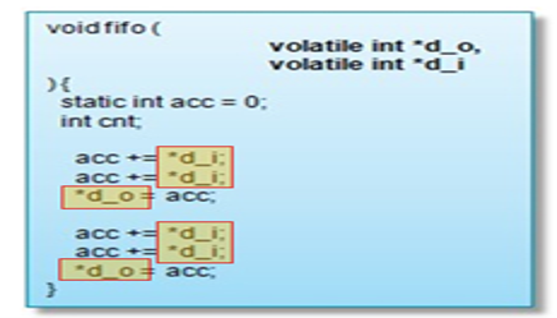
Using Pointers in the Vitis HLS

Objective: Explain the use of pointers in the design and workarounds for some of the limitations.
TechSource Systems Pte Ltd

HLS Component Design Flow – System Integration

Objective: Illustrates the process of developing and exporting an HLS component as Vivado IP.

Migrating to the Vitis Unified IDE - HLS Component

Objective: Describes the need for the Vitis Unified IDE and identifies different approaches for migrating projects from the classic Vitis HLS tool to the Vitis Unified IDE.
TechSource Systems Pte Ltd
QUICK ENQUIRY